While Hollande is arguing for more war, the left needs to focus on building a broad, united movement against war, racism and Islamophobia
Source: The left in France: a moment of decision – Counterfire

22 Sunday Nov 2015
Posted in International, Left politics
While Hollande is arguing for more war, the left needs to focus on building a broad, united movement against war, racism and Islamophobia
Source: The left in France: a moment of decision – Counterfire
21 Saturday Nov 2015
Posted in Current Affairs, Left politics, NATIONAL NEWS
BAA demanded income security for every agricultural household through a permanent Farmers’ Income Commission
21 Saturday Nov 2015
Posted in History, INTERNATIONAL NEWS, Left politics
Tags
సత్య
ఒక శాస్త్రీయ సిద్ధాంతం ఆధారంగా వునికిలోకి వచ్చిన సోషలిజం, కమ్యూనిజం భావనలకు గట్టి ఎదురు దెబ్బలు తగిలాయి. అయినంత మాత్రాన ఆ సిద్ధాంతాలు అవనిక నుంచి అంతర్ధానమౌతాయా ? అవుతాయని వాటి వ్యతిరేకులు ఊరూవాడా నానాయాగీ చేసి గతంలో ప్రచారం చేశారు, ఇప్పుడు చేస్తున్నారు, రాబోయే రోజుల్లో కూడా చేస్తారు. మీరు మాకు 90 మైళ్ల దూరంలోనే వున్నారు, ఒక్క బాంబుతో మీ దేశాన్ని లేపివేస్తే ఎక్కుండుంటారో తెలుసా అని ఏనుగంత అమెరికా చీమంత క్యూబాను గతంలో బెదిరించింది. అయితే మాకు మీరెంత దూరమో మీరు కూడా మాకంత దూరంలోనే వున్నారని తెలుసుకోండి అంటూ క్యూబా తాపీగా సమాధానమిచ్చింది.
పూర్వపు సోషలిస్టు దేశాలలో తిరిగి వుద్యమాలకు వున్న అవకాశాలేమిటి ? ఈ అంశాలపై ఇక్కడ చర్చించే అంశాలు సమాచారాన్ని అందించేందుకు, భిన్న ఆలోచనలు, భావాలను పాఠకుల ముందుకు వుంచేందుకు చేస్తున్న ప్రయత్నమిది. వీటిపై ఎంతో లోతైన అధ్యయనం ,చర్చల మధనం జరగాలి. అంతిమ నిర్ధారణలకు రావాల్సిన అవసరం లేదు, అది తొందరపాటు అవుతుంది. ఈ పరిమితులను గమనంలో వుంచుకోవాలని మనవి.
ఈ దమ్ము, ధైర్యం క్యూబాకు ఎక్కడి నుంచి వచ్చింది. సోవియట్ యూనియన్, అది కూలిపోయిన తరువాత గత పాతిక సంవత్సరాలుగా క్యూబన్లకు కొనసాగుతున్న చైనా అండదండలే కారణం అని వేరే చెప్పనవసరం లేదు. ఒక దేశంలో, ఒక ప్రాంతంలో సోషలిస్టు విప్లవం వచ్చినపుడు దానిని మింగివేసే శక్తులు బలంగా వున్నపుడు ఎదురయ్యే సమస్యలు ఏమిటో సోవియట్, తూర్పు ఐరోపా పరిణామాలు వెల్లడించాయి. ఒకసారి వ్యవస్ధ కూలిపోయి పరిస్ధితి అగమ్య గోచరంగా మారినప్పటికీ 26 సంవత్సరాల తరువాత కూడా చెక్(చెకో స్లోవేకియా నుంచి విడిపోయిన దేశం) కమ్యూనిస్టులపై గణనీయమైన భాగ జన విశ్వాసం కొనసాగుతూనే వుంది. మరోవేపు పూర్వపు సోషలిస్టు దేశాలలోని జనం సోషలిస్టు వ్యవస్ధల గురించి బెంగ పెట్టుకుంటున్నారని వార్తలు వస్తున్నాయి. వారు తక్కువ మందే వుండవచ్చు గానీ రానున్న తరాలపై దాని ప్రభావం పడకుండా ఆపగలరా ? పూర్వపు సోషలిస్టు దేశాలలో తిరిగి వుద్యమాలకు వున్న అవకాశాలేమిటి ? ఈ అంశాలపై ఇక్కడ చర్చించే అంశాలు సమాచారాన్ని అందించేందుకు, భిన్న ఆలోచనలు, భావాలను పాఠకుల ముందుకు వుంచేందుకు చేస్తున్న ప్రయత్నమిది. వీటిపై ఎంతో లోతైన అధ్యయనం ,చర్చల మధనం జరగాలి. అంతిమ నిర్ధారణలకు రావాల్సిన అవసరం లేదు, అది తొందరపాటు అవుతుంది. ఈ పరిమితులను గమనంలో వుంచుకోవాలని మనవి.
ఇరవై ఆరు సంవత్సరాల క్రితం చెకోస్లోవేకియాలో సోషలిస్టు వ్యవస్ధను కూల్చివేసిన సమయంలో దానికి నాయకత్వం వహించిన వారు తాము గొప్ప ప్రజాస్వామిక వాదులుగా జనం ముందుకు వచ్చారు. అలాంటి వారు కమ్యూనిస్టు పార్టీపై నిషేధం విధిస్తే నియంతలౌతారు. నాడున్న పరిస్ధితులలో ఎలాగూ కమ్యూనిస్టులు కొద్ది రోజుల్లోనే అంతర్ధానమౌతారు, ఆ మాత్రం దానికి వారిని నిషేధించటం ఎందుకు అనుకున్నారు. నాటి చెకోస్లోవేకియా చెక్, స్లోవేనియా రెండు దేశాలుగా చీలిపోయింది. పూర్వపు కమ్యూనిస్టు పార్టీ వారసురాలిగా జనం ముందుకు వచ్చిన చెక్ బొహీమియా మరియు మొరేవియా కమ్యూనిస్టు పార్టీ స్ధిరంగా వుండటమేగాక రాజకీయ రంగంలో ప్రభావం చూపగలదని వారు వూహించలేకపోయారు. ఇప్పుడు అరే ఎంత పెద్ద తప్పిదం చేశాము అని తలలు పట్టుకుంటున్నారు. ప్రస్తుతం 50 వేల మంది సభ్యులతో చెక్ కమ్యూనిస్టు పార్టీ పని చేస్తున్నది. పద్నాలుగు ప్రాంతీయ ప్రభుత్వాలలో పది చోట్ల సంకీర్ణ కూటమి భాగస్వామిగా వుంది. రెండువందల స్ధానాలున్న పార్లమెంట్లో 33 సీట్లు ఆ పార్టీకి వున్నాయి. ఐరోపా పార్లమెంట్కు చెక్ నుంచి 21 స్ధానాలుండగా ఈ పార్టీకి ముగ్గురు సభ్యులు వున్నారు. గతంలో దాని యువజన విభాగాన్ని నిషేధించి పార్టీని దెబ్బతీసేందుకు పాలకులు చేసిన యత్నం విఫలమైంది. చివరకు నిషేధం ఎత్తివేయాల్సి వచ్చింది. సోషలిస్టు వ్యవస్థలు కూలిపోయిన తరువాత కమ్యూనిస్టు పార్టీ పేరును కొనసాగించిన రెండు పార్టీలలో ఒకటి చెక్ రెండవది మాల్డోవా పార్టీ మాత్రమే.
26 సంవత్సరాల తరువాత కూడా చెక్ పార్టీ సజీవంగా వుండటమే గాక దేశ రాజకీయ రంగంపై ప్రభావం చూపగలదని ఎవరూ వూహించి వుండరు. తీవ్ర ఎదురు దెబ్బలు తగిలినప్పటికీ ఎర్రపూల వనం తిరిగి చిగిరిస్తుందని తాము ప్రారంభం నుంచి విశ్వాసంతో వున్నట్లు చెక్ రేడియా ఇంటర్వ్యూలో కమ్యూనిస్టు నేతలు చెప్పారు. సోషలిస్టు వ్యవస్థను కూల్చివేసిన తరువాత అంతకు ముందు కమ్యూనిస్టుపార్టీకి వేసిన పెద్ద పీటను రద్దు చేశారు. అనేక కొత్త రాజకీయపార్టీలు ఏర్పడ్డాయి. కమ్యూనిస్టు నేతలు నాటి పరిస్ధితుల గురించి అనేక విషయాలు చెప్పారు. వాటి ముఖ్యాంశాల సారంశం ఇలా వుంది.
ప్రాగ్ నగర కమ్యూనిస్టు నేత జోసెఫ్ కాలా మాట్లాడుతూ ‘మా సంగతి మాకు ముఖ్యమనుకుంటూ 1989,90లలో చాలా మంది పార్టీని వదలి వెళ్లారు.అనేక మంది అసంతృప్తి చెందారు.అయితే ఇది చరిత్రకు అంతం కాదు అని భావించిన వారు కూడా వున్నారు.చరిత్రలో ఇలాంటి సమయంలో అందరూ నిలవరని వారికి తెలుసు , ఇదొక పెద్ద మార్పు, అది పెద్ద సంక్షోభానికి దారి తీయటం అనివార్యమని చెప్పాము, నా అభిప్రాయాలు వాస్తవ రూపం దాల్చినందుకు ఇప్పుడు నాకెంతో గర్వంగా వుంది ‘ అన్నారు.
కమ్యూనిస్టుపార్టీ పార్లమెంట్ సభ్యుడిగా వున్న జాన్ క్లాన్ బొహీమియా ప్రాంతనేత. నాటి జ్ఞాపకాలను ఇలా నెమరు వేసుకున్నారు.’ మార్పు ఎంతో కనిపించింది, మేము మా టీచర్లను కామ్రేడ్స్ అని పిలవటం మానుకున్నాము.1989 నవంబరులో అధ్యక్షుడు మారిపోగానే తరగతి గదుల్లో అధ్యక్షుడి ఫొటోలను మార్చివేశారు.1990 తొలి సంవత్సరాలను గుర్తుకు తెచ్చుకుంటే నా తల్లి స్ధానిక కమ్యూనిస్టు పార్టీ కార్యదర్శి. అందరూ పార్టీని వదలి పోగా ఆమె ఒక్కతే మిగిలారు. కొన్ని పరిస్ధితులు బాగాలేవని నేను గుర్తించాను. వుదాహరణకు జనం మా ఇంటి ముందు చెత్త పోసేవారు. 1989లో పదిహేను లక్షల మంది సభ్యులున్నారు.వెల్వెట్ విప్లవం సందర్భంగా సామూహికంగా వెళ్లిపోయారు. 2004లో లక్ష మంది వున్నారు. అప్పటి నుంచి మరో సగం తగ్గిపోయారు. 1990 దశకంలో పార్టీపై నిషేధం విధిస్తారనే భయం వుండేది, కొన్ని తరగతుల వారిని ఏ వుద్యోగానికి అర్హుత లేకుండా చేయాలని ప్రయత్నించిన వారు వున్నారు. అయితే 2000 దశకంలో మేము జాతీయంగా, ఐరోపా ఎన్నికలలో జయప్రదం అయ్యాము, 2004 ఎన్నికలలో 20శాతం ఓట్లు తెచ్చుకున్నాము. తరాల మార్పు కారణంగా కమ్యూనిస్టు పార్టీ అదృశ్యమౌతుందని నేడు చెక్ అధ్యక్షుడిగా వున్న మిలోస్ జెమిన్ అంచనా వేశాడు.ఆయన పొరపాటు పడ్డాడు, మేము సజీవంగా వున్నాము, ముందుకు పోతున్నాము.
పోలాండ్, స్లోవేకియా, హంగరీలలో మాదిరి కొత్త రూపం ఇవ్వకుండా పార్టీ పేరును అలాగే వుంచటం మంచి ఆలోచనే అంటారా ?
నేను నిజాలు చెప్పాలి. 1992 పార్టీ అంతర్గత అభిప్రాయ సేకరణలో నేను వేరే పేరును సూచించాను, ఎందుకంటే ఆ సమయంలో కొన్ని వత్తిళ్లను అది దూరం చేస్తుందని భావించాను. కానీ నేడు పరిస్ధితి భిన్నం, మా పార్టీ పేరు మార్చుకుంటే అది మాకు తోడ్పడుతుందని ఈ రోజు నేను గ్యారంటీగా చెప్పలేను. అంతేకాదు, మీరు ప్రస్తావించిన దేశాలలోని పార్టీలన్నీ అంతర్ధానమయ్యాయి.ప్రజలు వాటి గురించి పెద్ద ఆశలు పెట్టుకున్నారు, ఆశాభంగం చెందారు.ఈ విషయంలో వారు నష్టపోయారు తప్ప మేము కాదు. మేము సోషలిజంలోనే భవిష్యత్ , సామాజిక న్యాయం వుంటుందని భావిస్తున్నాము. పెట్టుబడిదారీ విధానం సరిగా పనిచేయటం లేదని 2008లో ప్రారంభమైన సంక్షోభం వెల్లడించింది. అందువలన దాని బదులు వేరే వ్యవస్ధ కోసం శోధిస్తున్నాము, ప్రపంచంలో పౌర అశాంతిని, తీవ్రమైన అసమానతలను తొలగించేదిగా అది వుండాలి. అది జరగపోతే 2008 సంక్షోభం కంటే తీవ్రమైన దానిని ఎదుర్కోవలసి వస్తుంది.
నాజీ, కమ్యూనిస్టు పాలనా కాలంలోని పత్రాలపై పరిశోధన జరుపుతున్న ఒక సంస్ధ అధిపతిగా పనిచేసిన పావెల్ అసెక్ ఇలా అన్నారు.’ 1990 నుంచి నేటి వరకు వామపక్ష సంకీర్ణం ఏర్పడటానికి అవకాశం దొరకలేదు. కాబట్టి దానిని కేవలం ఒక రాజకీయ పార్టీ అంశంగా చూడరాదు, అది మొత్తం రాజకీయ వ్యవస్ధ సమస్య.’ పావెల్ అసెక్ను 2010లో సంస్ధ పదవి నుంచి తొలగించటం పెద్ద వివాదాన్ని రేపింది. ఈ పూర్వరంగంలో కమ్యూనిస్టు గతాన్ని ఎలా చూడాలి అన్న ప్రశ ్నకు పావెల్ ఇలా అన్నారు.’ అది ఒక పెద్ద సమస్య లక్షణం. కమ్యూనిజం గతం ఏమిటి అని పునర్నిర్వచనం చేసేందుకు ప్రజలు రాజకీయ మరియు నైతిక కోణం నుంచి చూసేందుకు ప్రయత్నిస్తున్నారు. 1989కి ముందు చెక్ వ్యవస్ధకు వ్యతిరేకంగా జరిగిన ఆందోళనతో అది కలసి వుంది. మన గతంలోని కొంత భాగం తిరిగి వస్తున్నట్లు కనిపిస్తున్నది. అయితే ఇది కేవలం తాత్కాలికమే అనుకుంటున్నాను, కానీ ఈ విషయాలను వివరించేటపుడు మనం చురుకుగా వుండాలి, ముఖ్యంగా యువతరం నేటి చెక్ రిపబ్లిక్ వ్యవస్ధను వ్యతిరేకిస్తున్నవారిలో కాలానుగుణ్య శక్తిగా వున్నారు.’ అన్నారు.
చెక్ కమ్యూనిస్టుపార్టీ అంతర్జాతీయ విభాగపు నేత, ఐరోపా యూనియన్ ఎంపీ అయిన మిలోస్లావ్ రాండ్ ఫోర్ఫ్ మాట్లాడుతూ ‘ రష్యాలో అనేక దుర్మార్గపూరిత వైఖరులు గల పెట్టుబడిదారీ పాలకవర్గం వుంది. అయితే దానిని భూతంగా చిత్రించటం తెలివితక్కువ తనం అవుతుంది. అమెరికా మంచిదికాదు రష్యా చెడ్డది కాదు.రష్యాకు వ్యతిరేకంగా ఐరోపా యూనియన్, అమెరికా కలసి ఆంక్షలు విధించటం సహేతుకం కాదు, దాని వలన అమెరికా కంటే ఐరోపాయే ఎక్కువ నష్ట పోతుంది.’ అన్నారు.
గ్రీస్ సిరిజా, స్పెయిన్ పొడెమాస్ మాదిరి భవిష్యత్ వుంటుందా అన్న ప్రశ్నకు జోసెఫ్ కాలా స్పందిస్తూ ‘ కమ్యూనిస్టుల తరుణం ఇంకా రావాల్సి వుంది, అధిక వుత్పత్తి మరియు పెట్టుబడి సంక్షోభం శాశ ్వత స్ధితికి మారుతోంది. దీనిని మీరు అనేక సమస్యలలో చూడవచ్చు-గ్రీసు సంక్షోభం, వుక్రెయిన్ సంక్షోభం, వలసల ప్రవాహాలు లేదా టిటిఐపి కధ , ఇది ఐరోపాకు పెద్ద ప్రమాదం, మరొకటి తమ రుణ సమస్యను పరిష్కరించుకొనేందుకు అమెరికా చేస్తున్న తెగింపు యత్నం. కాబట్టి తీవ్ర సంక్షోభ కాలం రానున్నది మరియు అన్ని కీలకాంశాలు అజెండాగా మారనున్నాయి.సమస్య మనం దీనిని సహించగలమా మరియు తీవ్ర సంక్షోభంతో పాటు సంభవించే పరిణామాలను మనం అనుసరించగలమా, లేదా ఈ సంక్షోభాన్ని అధిగమించేందుకు నూతన ప్రయత్నం వుంటుందా, నూతన దృశ్యం ఆవిష్కరణ అవుతుందా అన్నది ప్రశ్న.ఇది లోతుగా జరగాల్సిన తాత్విక చర్చ అంశం అని నేను గట్టిగా అభిప్రాయపడుతున్నాను. దీని గురించి మార్క్సిజంలో చాలా అంశాలున్నాయి.’
చెక్ కమ్యూనిస్టు పార్టీ ఇప్పటికీ నిలవటానికి కారణం ఏమిటన్న ప్రశ్నకు చారెల్స్ విశ్వవిద్యాలయ సామాజిక శాస్త్రాల అధిపతి మైఖేల్ పెరోట్టినో మాట్లాడుతూ ‘ ఒక గతం వున్న పార్టీ ఇది, ఈ పార్టీ ఇంకా ఎందుకు వున్నది అన్నది అర్ధం చేసుకోవాలంటే గతంలోకి వెళ్లాలి.మధ్య ఐరోపాలో నిజమైన కమ్యూనిస్టుపార్టీలలో ఇది ఒకటి. 1945లో సోవియట్ ఏర్పాటు చేసింది కాదు. ఈ విధంగా చూసినపుడు దానికి సమాజంలో ఒక పునాది వుంది.1990లో సంధి కాలంలో అది రాజకీయంగా అయినా దెబ్బతిన్న పార్టీ. అది ఇప్పుడు ఎందుకు ఆకర్షిస్తున్నదంటే నూతన పరిస్ధితులకు అనుగుణ్యంగా నూతన మార్గాన్ని ఎంచుకుంది. అది ఇప్పుడు అధికారంలో లేదు, వారిపుడు అవినీతి వంటి సమస్యల గురించి విమర్శలు చేయవచ్చు, తాము అవినీతి రహితులమని, ప్రస్తుత వ్యవస్ధకు ప్రత్యామ్నాయమని చెప్పుకోగలరు.ప్రస్తుతం వారు తాము మాత్రమే చెక్ రిపబ్లిక్లో ఏకైక వామపక్ష పార్టీ అని చెబుతారు, సోషల్ డెమాక్రాట్లు మధ్యేవాదులని అంటారు. ప్రస్తుతం చెక్ సమాజంలో గ్రీసు, స్పెయిన్ మాదిరి పెట్టుబడిదారీ వ్యవస్ధకు వ్యతిరేకంగా నూతన వుద్యమాలను అంగీకరించే స్ధితి లేదు. నా ఆలోచన ప్రకారం
ఇక్కడ తీవ్ర మితవాద ఎన్ఓ 2011 గ్రూప్ మాదిరి భావనలు వున్నాయి. ప్రస్తుతం చెక్ కమ్యూనిస్టులు ప్రాంతీయ(మన రాష్ట్రం మాదిరి) ప్రభుత్వాలలో మాత్రమే వున్నారు. వారు జాతీయ స్ధాయిలో ప్రభుత్వంలో చేరేందుకు 1995 నాటి నిబంధన ఆటంకంగా వుంది, సోషల్డెమోక్రాట్లు జాతీయ స్ధాయిలో సహకరించే విధంగా లేరు. కమ్యూనిస్టులు జాతీయ స్ధాయిలో ప్రభుత్వంలో వుండాలని కోరుకుంటారని నేను అనుకోవటం లేదు. ప్రతిపక్షంగా వుండటమే మరింత ఆచరణాత్మకంగా వుంటుంది.వారు ప్రభుత్వంలో చేరితే అదృశ్యమౌతారు.
20 Friday Nov 2015
Posted in INTERNATIONAL NEWS, Left politics
ఎర్రపూల వనం
సత్య
అనేక దేశాలలోని పాలకవర్గాలకు ప్రాతినిధ్యం వహించే పాలక పార్టీలు, ప్రతిపక్ష పార్టీలు తమ వైఫల్యాలను ఎలా సమర్ధించుకోవాలో తెలియక వుక్రోషం పట్టలేక అవాకులు చెవాకులు పేలటం వాటి దుర్బలత్వాన్ని తెలియ చేస్తాయి. జపాన్లో అదే జరిగింది. ప్రధాని షింజో అబే నాయకత్వంలో అధికారంలో వున్న సంకీర్ణ ప్రభుత్వానికి వ్యతిరేకంగా కమ్యూనిస్టుపార్టీ సహకారం తీసుకొనే విషయమై డెమోక్రటిక్ పార్టీ మాజీ అధ్యక్షుడైన పార్లమెంట్ సభ్యుడు సెయిజీ మియాహరా ఒక టీవీ చర్చలో నోరు పారవేసుకున్నాడు. చిన్న పార్టీలన్నీ కలసి అధికార పక్షాన్ని వ్యతిరేకించే అవకాశాల గురించి అడగ్గా ‘కమ్యూనిస్టు పార్టీ స్వభావం గురించి నాకు బాగా తెలుసు అది చెద పురుగు వంటిది, వారికి మీరు సహకరిస్తే మీ పునాది కూలి పోతుంది’ అని నోరు పారవేసుకున్నాడు. మూడు సంవత్సరాల క్రితం డెమోక్రటిక్ పార్టీ అధికారంలో వుంది. తమ అధ్యక్షుడు కమ్యూనిస్టుపార్టీ పట్ల అగౌరవపూర్వకంగా మాట్లాడినందుకు క్షమించాలని పార్టీ ప్రధాన కార్యదర్శి యుకియో ఎడనో విలేకర్ల చెప్పారు. డెమోక్రటిక్ పార్టీ అధికారంలో వున్న సమయంలో అమెరికాతో రక్షణ ఒప్పందం, సునామీ, అణు ప్రమాదం, భూకంపం సంభవించినపుడు డెమోక్రటిక్ పార్టీ వైఫల్యాల కారణంగా 2012 ఎన్నికలలో ఓడిపోయింది. అదే సమయంలో కమ్యూనిస్టులు దిగువ సభలో తమ బలాన్ని రెట్టింపు చేసుకున్నారు. జపాన్ భద్రత బిల్లు విషయంలో అబే ప్రభుత్వానికి వ్యతిరేకంగా ప్రతిపక్ష పార్టీలన్నీ ఐక్యం కావాలని కమ్యూనిస్టు పార్టీ పిలుపునిచ్చింది. ఆ బిల్లు ఆమోదం పొందితే జపాన్కు ప్రత్యక్షంగా ఎలాంటి ముప్పు లేనప్పటికీ అమెరికా నాయకత్వంలో జరిపే యుద్ధాలలోకి దేశాన్ని లాగే అవకాశం వుందని కమ్యూనిస్టు పార్టీ హెచ్చరించింది. జనం నాడికి అనుకూలంగా వున్న అనూహ్యమైన ఈ పిలుపుతో ప్రతిపక్ష పార్టీలకు సంకట పరిస్ధితి ఏర్పడింది.
సిరిజా ప్రభుత్వానికి రెడ్ సిగ్నల్
పొదుపు పేరుతో ప్రజలపై భారాలు మోపితే గ్రీస్లో ఏడాది కాలంలోనే రెండవ సారి అధికారానికి వచ్చిన సిరిజా ప్రభుత్వానికి గడ్డు పరిస్ధితులు ఎదురుకాక తప్పదని తాజా పరిణామం వెల్లడించింది.ఐరోపా యూనియన్, ఐఎంఎఫ్ ఆదే శించిన మేరకు భారాలు మోపే ప్రతిపాదనలపై దేశ కార్మికవర్గం సమ్మెలకు దిగింది. అయినప్పటికీ గురువారం నాడు పార్లమెంట్లో పొదుపు పేరుతో భారాలపై జరిగిన ఓటింగ్ సందర్బంగా సిరిజా ప్రభుత్వం ఏర్పడిన రెండు నెలల కాలంలోనే మెజారిటీ కేవలం మూడుకు పడిపోయింది. మూడు వందల స్ధానాలున్న పార్లమెంట్లో గురువారం నాడు వైన్తో సహా అనేక వస్తువులపై కొత్త పన్నులు, ఫీజుల పెంపుదలపై ఓటింగ్ సందర్భంగా ప్రభుత్వానికి 153 ఓట్లు మాత్రమే వచ్చాయి. తమ పార్టీల విప్ను దిక్కరించిన కారణంగా సిరిజా, దాని మిత్రపక్షంగా వున్న మితవాద పార్టీకి చెందిన ఒక్కొక్క ఎంపీని బహిష్కరించారు. కొత్తగా రుణం ఇవ్వాలంటే అదనపు భారాలు మోపాలని రుణదాతలు షరతు విధించారు. ఐరోపాలో సగటున నిరర్ధక ఆస్తులు 5-7 శాతం వుండగా గ్రీసులో 40శాతం వున్నట్లు ప్రభుత్వం చెబుతోంది. పొదుపు పేరుతో మోపుతున్న భారాలకు నిరసనగా ఓటింగ్కు ముందే తన సభ్యత్వానికి రాజీనామా చేశారు. రానున్న రోజులలో ఇలాంటి పరిణామాలు మరిన్ని సంభవించే అవకాశాలున్నట్లు పరిశీలకులు చెబుతున్నారు.
మొరాయిస్తున్న పోర్చుగీసు అధ్యక్షుడు
ప్రభుత్వ ఏర్పాటుకు తగిన మెజారిటీ లేదని తెలిసినప్పటికీ మితవాద శక్తులను ప్రభుత్వ ఏర్పాటుకు ఆహ్వానించిన పోర్చుగీసు అధ్యక్షుడు తమకు సంపూర్ణ మెజారిటీ వుందని స్పష్టంగా తెలిసి కూడా నూతన సర్కార్ ఏర్పాటుకు ఆహ్వానించకుండా నిబంధనల పేరుతో జాగు చేస్తున్నారని పోర్చుగీసు కమ్యూనిస్టు పార్టీ నేత జరోనిమా డి సౌజా విమర్శించారు. కమ్యూనిస్టులు, వామపక్ష కూటమితో కూడిన సోషలిస్టు పార్టీ ప్రభుత్వ ఏర్పాటును కార్పొరేట్ శక్తులు, బ్యాంకర్లు వ్యతిరేకిస్తున్నారు. మితవాద ప్రభుత్వం రాజీనామా చేసిన పదిరోజులు కావస్తున్నా కొత్త ప్రభుత్వ ఏర్పాటు జరగలేదు. ప్రభుత్వ ఏర్పాటుకు పార్టీలతో సంప్రదింపులకు బదులు బ్యాంకర్లతో అధ్యక్షుడు సమావేశం కావటంపై నిరసన వ్యక్తం అవుతోంది. అధ్యక్షుడు వామపక్ష కూటమికి విధించిన షరతులు అంతకు ముందు మితవాద కూటమికి విధించలేదని, రాజ్యాంగానికి విరుద్ధంగా ప్రవర్తిస్తే కార్మికులు, ఇతర తరగతుల పౌరులు వీధులలోకి రావాల్సి వుంటుందని కమ్యూనిస్టునే హెచ్చరించారు. ఇంతవరకు అధ్యక్షుడు నోరు విప్పలేదు. ఇదిలా వుండగా ఈనెల 28న అధ్యక్ష భవనం ముందు ప్రదర్శన జరుపుతామని పోర్చుగల్లోని అతి పెద్ద కార్మిక సంఘం సిజిటిపి పిలుపునిచ్చింది. ఎవరు అధికారానికి వచ్చినా పొదుపు చర్యలు అమలు జరపాల్సిందేనని బ్యాంకర్లు చెబుతున్నారు.
19 Thursday Nov 2015
Posted in CPI(M), Current Affairs, International, Left politics

New Delhi, 19 Nov 2015: France cannot escape responsibility for the rise of the Islamic State which has now unleashed bloodbath in Paris, the CPI-M said on Thursday.
An editorial in “People’s Democracy” said the West, including the US and France, had played a key role in toppling the secular regimes in Iraq and Syria by propping up Islamist forces.
“The destructive civil war and the weakening of the Syrian government created conditions for the rise of (Islamic State) and the establishment of the Islamic State that controls large chunks of territory in Northern Iraq and parts of Syria,” the editorial said.
“It is this monster which was created by the US-French-NATO intervention that is now posing such a serious threat.
“The US-French bombings in Syria are now seeking to curb this menace which was, in the first place, created by their aiding the extremist forces like Jabhat al-Nusra and other Islamist forces that were financed and equipped by Saudi Arabia and its Gulf allies,” it added.
On November 13, terrorists linked to the Islamic State unleashed mayhem in Paris, killing nearly 130 people and wounding around 350 in the bloodiest incident of violence in the French capital since World War II.
The Communist Party of India-Marxist said there were vehement denunciations whenever anyone seeks to expose certain facts and truths to the Western powers.
“The roots of the tragedy, which hit Paris, lie in the killing fields of Syria and Iraq.
“The rise of Islamist extremism and the acts of terror which have taken place around the world stem from the military interventions and the policies pursued by the Western powers led by the US in Iraq and Syria.
“The US attacked Iraq and occupied it after toppling the Saddam Hussein regime. President Bush falsely accused Saddam of helping Al Qaeda… Now that Al Qaeda has morphed into the IS.”
The editorial pointed out that in Syria, France had been in the forefront among the NATO allies of the US in working for the overthrow of the secular regime of President Bashar al-Assad.
“In doing so, it has funded and equipped the Islamist extremist forces who are backed by Saudi Arabia and its Gulf allies.
“France has been complicit with Turkey, another NATO partner who has through its borders, facilitated the crossing of thousands of extremists who flocked to Syria to wage jihad against the Assad government.
“The French government was not unduly concerned when radicalized Muslim French citizens went to Syria to fight, as long as they were fighting the Assad government.”
(IANS)
18 Wednesday Nov 2015
Posted in History, International, Left politics
The Indonesian government is accused of orchestrating an anti-communist purge that killed at least half a million people. What kind of reconciliation is possible today?
Source: International Tribunal Reopens Indonesia’s ‘Forgotten Genocide’ · Global Voices
18 Wednesday Nov 2015
Posted in History, International, Left politics
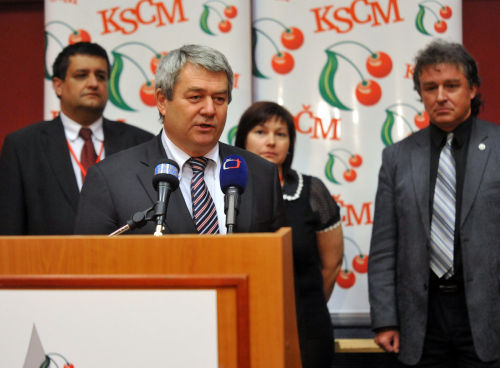 The leader of the Communist Party Vojtěch Filip, photo: Filip Jandourek
The end of one-party rule was one of the slogans frequently heard at public rallies during the Velvet Revolution 26 years ago. Indeed, the Czechoslovak Parliament changed the Constitution as early as November 29, cancelling Article 4 which maintained the Communist party was “the leading power in the society and the country.”
On that day, the Communist party lost its dominant position to become just one of many political groups in the newly formed democracy. But few would guess that 26 years later, its direct successor, the Communist Party of Bohemia and Moravia, would be a stable and influential force in the Czech political system. One of the organizers of that student march on November 17, 1989, which triggered the Velvet Revolution, was Pavel Žáček.
“The situation right after November 1989 was very special. There was a general consensus that the Communist party should not be outlawed. In the early 1990s, Václav Havel was one of those who believed that after several elections, the party will naturally disappear in the foreseeable future.
“That was one of the reasons why the party was not banned. As it has turned out, however, the party has survived. It was a very serious mistake that has had a lasting impact on all political processes to date.”
In the early 1990s, there was a general belief the Communist party would gradually diminish both in size and influence. But the group remains a power to be reckoned with on local, regional and national levels.
Josef Skála, an influential Communist politician from Prague, says he knew right from the start the time for the party would come again, despite the massive flight of its members at that time.
“There were many people who left the party in 1989 and 1990 because wanted to follow their careers and spat in their own faces. There were others who left the party because they were frustrated. But there were also those who understood this was not the end of history.
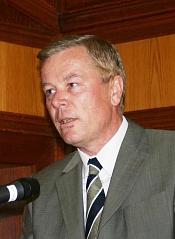 Josef Skála, photo: archive of Radio Prague“They knew it was a moment in history which will weigh up all the elements to be reckoned with, and that this big change, let’s say, was inevitably heading towards a big crisis. That was my conviction, and I’m somewhat proud that later developments confirmed my views.”
As its members are quick to point out, the Communist Party of Bohemia and Moravia is formally a different entity than the totalitarian Communist Party of Czechoslovakia.
The group that exists today was officially established in March 1990, during the formative years of modern Czech democracy. For many of those who stayed on, the dawn of the new era was not a time they like to remember.
Communist MP Jan Klán, who comes from a small village in central Bohemia, was in first grade in 1989. I sat down with him in his lower house office and asked him what he recalled from the Velvet Revolution.
“The change was apparent in that for one, we stopped calling teachers comrades which is what I remember vividly. I also remember the change at the post of the president immediately after November 1989 and how the president’s portraits were replaced in the classrooms.
“Looking at the first years after 1990, my mother was the head of a local communist party group – she was the only member in fact after everyone else had quit the party – I remember some things that were not that nice. For instance, people would paint gallows in front of our house, and things like that.”
In 1989, right before the collapse of the totalitarian regime, the Communist party had 1.5 million members, an incredible 10 percent of Czechoslovakia’s total population.
During and after the Velvet Revolution, there was a massive flight, just like in the group in Mr Klán’s village. In 2004, the party had over 100,000 members and the number has since dropped by half. Josef Skála again.
“There were big fears in the early 1990s that the party could be banned. As you know, there were such attempts, with legislation prohibiting a certain category of people from any sort of public jobs, and so on.
 “But in the early 2000s, we were successful at the polls both in the national and the European election where we won over 20 percent of the vote in 2004. This showed that today’s Czech president Miloš Zeman was wrong in his expectation the Communist party will disappear due to a generational change. He was wrong, we were alive and well and moving ahead.”
Do you think it was a good idea to keep the name of the party, which your members agreed on, and the party didn’t transform into one a new grouping as we saw in Slovakia, Poland and Hungary?
“I’ll be honest. In the 1992 inner-party referendum, I was proposing a different name because I understood that at that time, it would take away certain pressure. The referendum said what it said and we should respect it but today, the situation is different. I’m not sure that if we changed our name today, it would help.
“Also, the parties you mentioned in other countries – they are all gone. People had big expectations from them but were disappointed. So in this respect, it‘s them who lost, not us.”
Since 1990, the Communist party’s ideology has undergone major alterations. Addressing requests to disband the party on grounds of extremism, the Czech Interior Ministry has repeatedly ascertained the Communist party does not pose a threat to democracy.
The Communists still want to achieve socialism but unlike their predecessors, they say they want to arrive there via democratic and pluralistic means. Jan Klán joined the party in 2003, and has been a communist MP since 2010.
“We see the future in socialism, in a socially-just society. The 2008 crisis showed that capitalism is not working properly, so we are searching for a system that would replace it and end the plundering of the planet and the enormous social inequality. If that does not happen, we will face worse crises than the one in 2008.”
With time, these views, along with consistent criticism of the country’s post-communist transformation and apologetic attitudes towards the 40 years of totalitarianism, have paid off.
In the general election of 2002, which followed a four-year rule of a grand coalition, the Communist party scored its best result to date. It received more than 18.5 percent of the vote, coming in third and winning 41 seats in the 200-member lower house.
Another major success, and a more recent one, came ten years later in regional elections. The party did so well that it is now part of regional government coalitions in nine out of 14 of Czech regions, and has one post of the regional governor.
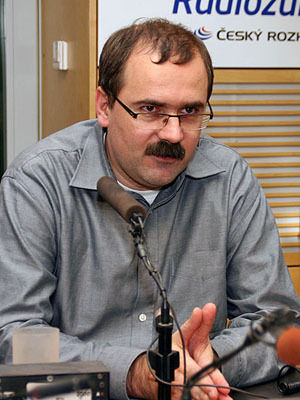 Pavel Žáček, photo: Anna DuchkováPavel Žáček in 1998 became the first head of the Czech Institute for the Study of Totalitarian Regimes, a government agency researching documents from the Nazi and Communist regimes. He says the successes of the Communist party have had an adverse effect on the entire Czech political system.
“Since the 1990s until today, there has been no chance to form a left-wing coalition. So it’s not an issue of just one political party. It’s a problem for the entire political system.”
Compared with the 1990s, do you see a shift in how the Czechs view their communist past? In 2010, you were dismissed as the head of the Institute for the Study of Totalitarian Regimes in a big brawl over what it should do and how we should look at the past. Was that a symptom of the changing understanding of the past?
“It’s a symptom of a larger issue. There is a political as well as a moral point of view held by the people trying to redefine what communism was. This has to with a struggle against the post-1989 Czech establishment, and it looks like some part of our past is coming back.
“But I think it’s only temporary but we have to be active and keep explaining these issues, particularly to the young people who are a relevant force when it comes opposing today’s establishment of the Czech Republic.”
Another recurring theme in the Communist party ideology lies in the field of foreign policy. The party remains highly critical of the United States and the West in general, while being much more understanding of the policies of the Kremlin. I discussed their approach to international relations with MEP Miloslav Randsforf, the party’s shadow foreign minister.
“In Russia, there is a radical capitalist regime with many savage aspects. But demonizing Russia is also foolish. The US is not the good guy and Russia is not the bad guy. I think for instance that the [EU and US] sanctions against Russia are irrational and are directing Europe which is losing more than the United States.
But they were imposed over the annexation of Crimea and the war in Ukraine.
“There is no war in Ukraine. This war was launched by the authorities in Kiev. Over the last year, I’ve been to Ukraine on a weekly basis and I have to say that without these new arrogant attitudes of the Kiev authorities, even Crime would not make secession.
Well, Crimea did not make secession; it was occupied by Russian troops.
So if there would have been positive attitudes towards the decentralization of power on the side of Kiev, even Crimea would remain part of Ukraine. I’ve been to Crimea; nobody was prepared for the crisis and nobody was planning to secede. It was a coincidence of various factors.
 Miloslav Ransdorf, photo: archive of Radio Prague“But the situation in Ukraine is desperate because it’s economically mismanaged. The prices of gas have gone up seven times, the prices of water and electricity three times, the inflation rate is 60 percent. It’s irrational. The real power was handed over not to the people and democratic structures but to oligarchs, and the oligarchs are the ruling force in Ukraine.”
Following the 2008 global financial crisis, dissatisfaction with capitalism took solid roots in Greece, Spain and other countries in Europe and elsewhere. Is this an opportunity for the Czech Communists to position themselves as leader of these “liquid” movements and win over new supporters? Josef Skála is sceptical of groups such as Greece’s Syriza and Spain’s Podemos but is certain that in the future, the Communist party will grow.
“The season for the Communist party is yet to come. The crisis of overproduction and of capital, is converting into a permanent state. You see it on a number of issues – the Greek crisis, the Ukrainian crisis, the migration wave, or the TTIP story that is a big danger of Europe and is another desperate attempt by the US to somehow solve their debt trap.
“So the period of a deep crisis is coming and all the key items will again be on the agenda. The question is whether we can tolerate and follow developments moving to an ever deeper crisis, or if there will be a new attempt, a new scenario to overcome the crisis. And I’m deeply convinced, which is a topic for a deep philosophical discussion, that Marxism has many things to about this.”
The question is, however, why should Czechs trust the Communists once again given the fact their attempt at building up a socially just society after the Second World War ended in 40 years of totalitarianism. I asked MP Jan Klán what he would say to that.
“I would tell them that was a different party. KSČM was founded in 1990. Before 1989, the socialist idea was good but the elites also became disconnected from the people. I think that if they had been more flexible, nothing would have happened in 1989 and the Communist Party of Czechoslovakia would be here today.”
The lack of modernization has worked well for the Communist party, which has been capitalizing on disenchantment with democracy and nostalgia for the past. But will this be enough for the future, or does the party need to adapt itself to the era of grassroots movements and social media campaigns? Josef Skála says he has a vision to make the Communist party a relevant force.
“Personally, I’m not very happy about the party’s capability to address the new situation which originated after the 2008 financial crisis. It looks as if we are still frozen in the period of the 1990s when it was necessary to make concessions, to be softer, and so on.
“I think the train has moved along but we have not been able to cope. That’s problem which we’ll address at next year’s party congress.
Where, as I understand, you are going to run for the chair of the party?
“Yes, there are certain rumours of this kind, yes.”
 Michel Perottino, photo: archive of Charles UniversityWhile Communist officials are happy to share optimistic visions of their future, others are more sceptical. I discussed the party’s prospects with Michel Perottino, the head of the political science department at Charles University’s Faculty of Social Sciences and a co-author of Between Mass and Cartel Party, a study of recent developments in the Czech Communist and Social Democrat parties. I began by asking him what the Communist party really stood for.
“It is in a sense a party of the past. Trying to understand why this party still exists requires a look back in the history. It is one of the ‘real’ Communist parties in Central Europe in that it was not installed by the Soviets after 1945. So from this point of view, they do have a base in the society. On the other hand, in the 1990s it was mainly a party of losers of the transition, at least politically.”
How have they developed since then? What is their attraction now?
“Partly, it’s a continuum. There are people who were in the party and they don’t have any reasons not to support it now.
“But the party has of course adapted to the new conditions. As it has not been in power, they can for instance very criticize issues such as corruption, and present themselves as not corrupt, and as an alternative for the Czech Republic.”
They also present themselves as the only left-wing opposition. How would you describe the party’s values and policies?
“First of all, they claim they are only left-wing party in the Czech Republic. They consider the Social Democrats to be centrists.
“They are mainly conservative – socially, economically in the sense that they look back to the system before 1989 and they claim the system was very effective and very positive from many points of view.
They are very different from Western communist parties because they are not a genuine workers’ party, they are not linked to the lowest class of the society. Typically for the post-communist context, it is much more a party of former bureaucrats and pensioners. They might claim they are a workers’ party but the reality is quite different.”
How do you see the party’s attitude to Russia? For decades, they were vassals to the Soviet Communists and they seem to have a soft spot for Russian policies.
“Yes, that’s certainly true to a certain extent. They are one of the last pan-Slavic organizations, and they say that we have to fix the broken ties with the East. So they are active in this respect, although perhaps less towards the former Soviet Union than towards China, Vietnam, and so on. So they are pro-Russian, but not necessarily pro-Putin.
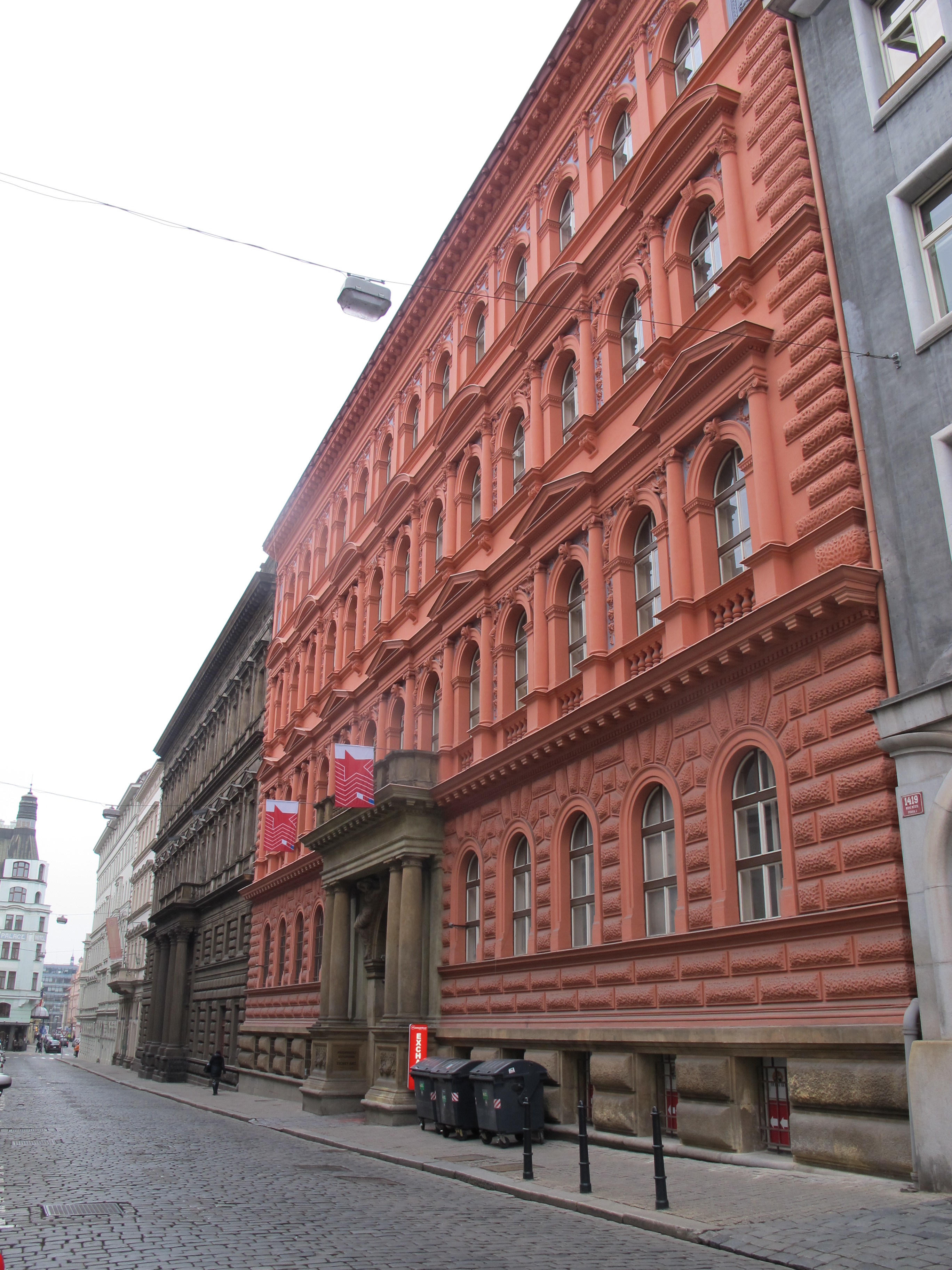 Communist Party headquarters in Prague, photo: Anette Kraus“And another point: although they say they are an internationalist party, they have developed very nationalist and self-centred policies.”
I was going to ask you about that because at school under communism, we heard quite a bit about ‘proletarian internationalism’. What happened to that?
“It’s quite typical for every Communist party, it’s not just the case of the Czechs. It’s also very typical for Communist parties in the West which have developed very nationalist attitudes and programmes, even though they might always claim they are internationalists.
“In the Czech case, it’s also due to the fact they have not been in government and they say they know how to run the country. We can see this on the example of the ongoing migration crisis. To some extent, we could expect the Communists would be positive towards the migrants, and say they are brothers and so on. But they also see them as ‘competitors’ for ‘our people’. So it’s quite difficult for them to cope with this issue.”
One thing that has changed very little since before 1989 is the Communist party’s attitude towards the US. Is that based on pragmatism or rather on their ideology?
“I think it’s mainly ideological that they position themselves against the United States and also against NATO. This is one of the most important themes of the Communist approach to international relations.”
Is this an issue that could drum up support from some of the Czech grassroots movements that in the past vocally opposed some US policies, such as the plan to station an US radar base in the Czech Republic? Are they in a position to bring these groups together?
“I’m not sure that some of those people would want to be drafted by the Communists. The situation is complicated and very heterogeneous. The opposition against the American radar base was formed by other groups, not just by the Communist movement, and the Communists were not very successful in acquiring new supporters.
“They are very conservative and turned inwards. Also, they to a certain degree fear the new movements.”
So you don’t think we will see a revival of the Communist party along the lines of what we see in Greece or Spain where new movements critical of capitalism have emerged?
“I don’t think there are such scenarios in the Czech society. The society is not that comparable to those in Greece and Spain, it is too post-communist to accept new forms of anti-capitalist movements.
“I think the main line here is held for instance by the ANO 2011 group which has a much more right-wing concept of the society.”
How do you see the future of the Communist party? When do you think it will return to power, maybe not in terms of years but of conditions that need to be here for them to be in government?
“Right now, they are in regional governments. On the national level, they are blocked by a 1995 provision of the Social Democrats not to cooperate with them on the national level. This could change but we should not at least two aspects here
“First, I’m not sure the Communists want to play this game because being in the opposition is much more practical and efficient for them. Also, we should expect that if the Communists join government, they will disappear. That is in fact the condition for them to disappear – that they come to power and show they are the same as the others.”
18 Wednesday Nov 2015
Posted in CPI(M), Left politics, NATIONAL NEWS
Tags
The Central Committee of the Communist Party of India (Marxist) met in New
Delhi from November 13 to 16, 2015. It has issued the following statement:
Bihar Elections
The people of Bihar have given a resounding defeat to the BJP alliance in the assembly elections. They have rejected the rank communal campaign conducted by the BJP, led by the Narendra Modi-Amit Shah duo with divisive issues including prescribing eating habits of the people and the bogey of reservations for minorities etc.This Bihar verdict should strengthen the fight against the rightwing communal forces all over the country.The campaign by the United Left bloc including the CPI(M), CPI and CPI(ML)-Liberation was well received by the people of Bihar. The CPI(ML) won three seats.
Kerala Panchayat Elections
The verdict of the people in the elections to the local bodies in Kerala is
a rejection of the UDF government?s anti-people record and corruption. The
people have also rebuffed the communal politics of the BJP and its efforts
to rally leaders of caste-based organisations.The Central Committee congratulated the people of Kerala for reposing such faith in the LDF. The LDF campaigned unitedly and directly took up issues with the people.
Punjab Developments
The Central Committee expressed serious concern over the ominous political
developments taking place in Punjab, which are gravely disrupting peace and
communal harmony in the state. The failure of Badal Government in capturing
the culprits responsible for the desecration of the Guru Granth Sahib and
its inept handling of mass protests leading to the death of two Sikh youth
in police firing, is providing ammunition to Sikh fundamentalists and
pro-Khalisthani elements.
Economic Situation
PM Modi has unilaterally announced measures to further facilitate the loot
of Indian resources and markets by vastly enhancing the access of foreign
capital into India. All these decisions have been taken on the eve of the
winter session of the Parliament. Worse they have been taken even without
the Cabinet approval. This is a complete travesty of our system of
parliamentary democracy. PM Modi made these announcements with an aim to
appease foreign capital prior to his foreign visits.
Further Economic Burdens on the People
This license to loot for foreign capital comes at a time when the majority
of the Indian people continue to groan under newer economic burdens. Price
rise of essential commodities continues unabated. The prices of ?dal?, an
essential source of protein nutrition for the vast majority of the Indian
people, have risen beyond their reach. The prices of all other essential
commodities continue to rise.The agrarian distress is deepening. The announced MSP increases are so meagre that they do not even cover the production costs. This is
accelerating the distress suicides of our farmers.The latest data shows that compared to a 6.4 per cent growth rate last month
the index of industrial production has now fallen to 3.6 per cent.
Consequently, the growth rate of the manufacturing sector, the main
generator of jobs, has fallen from 6.9 per cent to 2.6 per cent. Appeasing
foreign capital under these conditions cannot translate automatically into
GDP growth. This is because the purchasing power in the hands of the Indian
people is sharply declining, leading to the contraction of domestic demand.
The staple daal roti has gone beyond the reach of the common people. On top
of this, petrol and diesel prices have been hiked once again. Various
railway charges are increased. A cess for `Swach Bharat? has been imposed.
In this background whatever little relief that was being provided to the
Indian people through schemes like the Rural Employment Guarantee are also
being drastically cut.
Growing Communalisation And Intellectuals? Protest
All across India, communal tensions are being sharply escalated by the
RSS/BJP outfits. Particularly in the run up to the Bihar elections, such
tensions were intensified.
Given the patronage by the BJP Central and state governments and the refusal
by PM Modi to take any action, various outfits of the RSS are being
emboldened by the day to mount such attacks that seek to undermine the
secular democratic foundations of our country and create widespread
insecurity amongst the religious minorities.
Protests by Intellectuals
The growing intolerance and the spread of hatred across the country has led,
amongst other violent attacks, to the murders of rationalist thinkers. A
large number of award winning litt?rateurs have returned their Sahitya
Academy and other recognition of excellence awards to the government in
protest.
They have been joined by internationally reputed historians, film and
theatre personalities. Hundreds of Indian scientists of international repute
have joined this form of protest. Such action by Indian intellectuals,
scientists and creative artists strengthens the resolve of all Indians who
cherish the secular democratic foundations of our Republic to defend our
country and people?s unity.
Left Parties Call
The six Left parties, CPI(M), CPI, CPI(ML)-Liberation, AIFB, RSP & SUCI (C)
have given a call to launch a nationwide campaign against the communal hate
offensive spearheaded by the RSS and patronized by this BJP led government,
from 1st to 6th December, 2015.
The Central Committee called upon all Party units to organise protests all
over the country.
Paris Attacks
The Central Committee of the CPI(M) strongly condemned the terror attacks
in Paris. These recent spate of terror attacks in Baghdad, Beirut and now
Paris clearly indicate the mushrooming of such terrorist groups as a counter
to US/NATO military operations in Syria and military interventions elsewhere
in West Asia.
The Central Committee of the CPI(M) deeply mourns the death of innocent
people in these terror attacks and condemns such barbaric terror.
Myanmar
The Central Committee congratulated the National League for Democracy (NLD)
led by Aung San Su Kyi for winning a record three-fourths of the seats in
the elections in Myanmar. This emphatic expression for the restoration of
democracy in Myanmar is indeed historic for the people of that country and
will have an impact in the region.
Nepal
The Central Committee congratulated the people of Nepal for the adoption of
the secular Republican constitution. K.P Oli of the CPN(UML) was elected
Prime Minister and Bidhya Devi Bhandari also of the CPN(UML) elected
President.
The opposition to this Constitution by certain Madhesi groups, supported by
Indian Hindutva organisations is resulting in violent protests in some parts
of this area. The virtual blockading of the border between India and Nepal
in many border points by the BJP central government is having a crippling
effect on Nepal. Consequently, anti-India sentiments have sharply escalated
in Nepal. The Central Committee demands that the Indian Government must
immediately restore the movement of goods and supplies to Nepal.
Bangladesh
The Central Committee expressed serious concern at the growing
fundamentalist attacks in Bangladesh. There are contesting reports. On the
one hand the activity of the ISIS is reportedly growing and on the other the
Awami League government alleges that the rival opposition BNP and its
Islamic fundamentalist allies are whipping up such attacks as a part of
their agenda to destablise the present government.
These developments however have a very strong impact on the neighbouring
states in India particularly West Bengal and Assam.
The Central Committee finalized the Draft Report on Organisation to be sent
to all State Committees. The Central Committee will meet on December 26 and
finalise the report to be presented to the Plenum beginning December 27,
2015 at Kolkata.
Massive preparations through state wide jathas and mass contact programmes
are underway in West Bengal to make this plenum a big success.
18 Wednesday Nov 2015
Posted in CPI(M), Current Affairs, Left politics
India does not require dream merchants, but a leadership with a vision that will save the people from the present state of misery.
Source: India doesn’t require dream merchants, but a leadership with vision | columns | Hindustan Times
18 Wednesday Nov 2015
Posted in CPI(M), Current Affairs, Left politics
India does not require dream merchants, but a leadership with a vision that will save the people from the present state of misery.
Source: India doesn’t require dream merchants, but a leadership with vision Sitha ram Ychuri Hindustan Times


 vedika