• About
  • Farmers

vedika

~ your forum for critical and constructive writings

vedika

Tag Archives: Farmers

ఎందుకు రైతులు ఆందోళనకు దిగుతున్నారు ?

18 Sunday Jun 2017

Posted by raomk in Uncategorized

≈ Leave a comment

Tags

BJP, bjp cow politics, Farm prices, Farmers, Farmers agitations, indian farmers

ఎం కోటేశ్వరరావు

ఎందుకిలా జరుగుతోంది ? రాబోయే (ముందస్తు లేదా నిర్ణీత గడువు ప్రకారం జరిగే) ఎన్నికలలో కూడా తమదే అధికారం అని కలల పడవలో ప్రశాంత అలల మధ్య తేలి పోతున్న బిజెపి నేతలకు అనుకోని రీతిలో రైతుల ఆందోళనలనే కుదుపులు ఎందుకు తగులున్నాయి? అవీ మూడేండ్ల సంబరాల సమయంలో అని ప్రతిపక్షాల కంటే బిజెపి అభిమానులు ఎక్కువగా ఆలోచించాల్సిన అవసరం వుంది.

జరుగుతున్న అవాంఛనీయ పరిణామాలు నిలదీసి ఎందుకు అని ప్రశ్నించకుండా మనకెందుకులే అని తప్పుకోవటాన్నే మన పురాతన నాగరికత, పురాణాలు, ఇతిహాసాలు, చరిత్ర నేర్పాయా ? మన వివేచనను నీరుగార్చాయా అన్న అనుమానం కలుగుతోంది. తమ ప్రభుత్వం అనుసరించిన విధానాల కారణంగా సమృద్ధిగా పంటలు పండాయని మూడు సంవత్సరాల విజయ గాధలలో మోడీ సర్కార్‌ పేర్కొన్నది. వ్యవసాయం వుమ్మడి జాబితాలో వుంది. ప్రధానంగా రాష్ట్రాల అంశం, అయినప్పటికీ ఘనత తనదే అని మోడీ చెప్పుకున్నారు. మరి అలాంటి ఘనత సాధించిన వారి హయాంలో రైతులు రోడ్లెక్కటం ఏమిటి? దానికి ఎవరు బాధ్యత వహించాలి. ఆకాశాన్ని అంటిన పప్పుల ధరలు తగ్గగానే సామాజిక మాధ్యమాలలోని మోడీ భక్తులు ఆ ఘనత తమ నేతదే అని ప్రచారం చేశారు. ఆ తగ్గుదలకు మూల్యం చెల్లించింది ఎవరు ? ధరలు పతనమై నష్టాలు వచ్చాయని ఒక్క వ్యాపారీ దివాళా ప్రకటించలేదు, ఆత్మహత్యకు పాల్పడినట్లు వార్తలు లేవు.ఆ దుర్గతి రైతులకే ఎందుకు పట్టింది. పప్పు ధాన్యాల ధర తమకు గిట్టుబాటు కాని రీతిలో పతనమైందనే కదా మహారాష్ట్ర, మధ్య ప్రదేశ్‌ రైతులు ఆందోళనకు దిగింది. పప్పుల ధరలు పెరగగానే వాటిని తగ్గించే పేరుతో బిజెపికి అన్ని విధాలుగా సాయపడిన పారిశ్రామిక, వాణిజ్యవేత్త అదానీ కంపెనీలకు పప్పుల దిగుమతికి, వాటిని అధిక ధరలకు అమ్ముకొని విపరీత లాభాలు సంపాదించేందుకు అవకాశం కల్పించింది ఎవరు ? రైతులకు గిట్టుబాటు కాని రీతిలో ధరలు పతనమైతే మోడీ సర్కార్‌ లేదా బిజెపి రాష్ట్ర ప్రభుత్వాలు ఎందుకు ఆదుకోలేదు ? ఎవరు ఆదుకోవాలి? తాజా రైతు ఆందోళన ఏమి తెలియ చేస్తున్నది? అతివృష్టి, అనావృష్టికి బలయ్యేది రైతులే, అలాగే పంటలు బాగా పండినా, పండకపోయినా ప్రభావితులవుతున్నదీ రైతులే. ఏది జరిగినా నష్టాలే వస్తున్నాయి.

ఖమ్మంలో పతనమైన ధర గురించి ఆందోళన చేసిన మిర్చి రైతులు సంఘవ్యతిరేశక్తులని మంత్రులు, వారి వంది మాగధులు ప్రకటించారు. తీరా సామాన్య రైతులకు బేడీలు వేసి వీధులలో తిప్పి జైలుకు పంపారు. మధ్య ప్రదేశ్‌ పాలకులు మరొక అడుగు ముందుకు వేసి రైతులు పోలీసులు కాల్పులలో మరణించలేదన్నారు, వారసలు రైతులే కాదు పొమ్మన్నారు, మరణించిన వారిలో గంజాయి స్మగ్లింగ్‌ కేసులున్న నేరగాళ్లున్నారని ప్రచారం చేశారు. అదే రాష్ట్ర ముఖ్యమంత్రి తరువాత మరణించిన ప్రతి రైతు కుటుంబానికి కోటి రూపాయల పరిహారం ఇస్తామని ఎందుకు ప్రకటించాల్సి వచ్చింది? రైతులను కాల్చి చంపించటమే గాక ఎదురుదాడి వ్యూహంలో భాగంగా రైతులు హింసాకాండకు స్వస్ధి చెప్పాలని ఒక బిజెపి ముఖ్య మంత్రి స్వయంగా నిరాహార దీక్ష చేస్తారని పోతులూరి వీరబ్రహ్మంగారు చెప్పారో లేదో తెలియదు గానీ మధ్యప్రదేశ్‌ ముఖ్యమంత్రి శివరాజ్‌ సింగ్‌ చౌహాన్‌ ఆపని చేశారు. అంతకంటే విచిత్రం, విపరీతం ఏమిటంటే ఆర్‌ఎస్‌ఎస్‌ రైతు విభాగం భారతీయ కిసాన్‌ సంఘ్‌ తాము కూడా రైతు సమస్యలపై ఆందోళన జరపనున్నట్లు ప్రకటించింది. అంతరించిపోగా అవశేషాలు మిగిలినట్లు ఇంకా బుర్రలు మిగిలిన వారికి ఎందుకిలా జరుగుతోంది ? అనే ప్రశ్న ఎదురవుతోంది.

2022 నాటికి రైతుల ఆదాయాలను రెట్టింపు చేస్తామన్నది బిజెపి. ఆర్‌ఎస్‌ఎస్‌ అనుబంధ కిసాన్‌ సంఘ్‌ వుపాధ్యక్షుడు ప్రభాకర్‌ కేల్కర్‌ ఫస్ట్‌ పోస్ట్‌ అనే వెబ్‌ పత్రికతో మాట్లాడుతూ ప్రభుత్వ విధానాలను అమలు జరపని కారణంగా రైతులలో ఆగ్రహం పేరుకుపోయినందున ఆందోళన అనివార్యమని అయితే హింసా పద్దతులకు తాము వ్యతిరేకమని చెప్పుకున్నారు. రైతులు కనీస మద్దతు ధరలను పొందటం లేదని, తదుపరి సాగునిమిత్తం పెట్టుబడుల కోసం తమ వుత్పత్తులను తెగనమ్ముకోవటం వంటి పరిణామాలు రైతుల ఆందోళనకు కారణాలని ఆ పెద్దమనిషి చెప్పాడు. అయినా బిజెపి సర్కార్‌ వాటిని పట్టించుకోలేదు. తొలుత రైతుల ఆందోళనలో భాగమైన ఆర్‌ఎస్‌ఎస్‌ రైతు సంఘం మధ్యలో చర్చల పేరుతో శకుని పాత్ర పోషించి వైదొలిగింది. వాస్తవాలు ఇలా వుంటే కాంగ్రెస్‌ను భూస్తాపితం చేశామని, వామపక్షాలు వునికి కోల్పోయాయని ఒకవైపు ఇప్పటికే ప్రకటించేసి, అదే నోటితో రైతుల ఆందోళనల వెను వారున్నారని బిజెపినేతలు ఆరోపించారు. అవి నోళ్లా లేక మరేవైనానా ?

వ్యవసాయ రంగంలో ప్రభుత్వ పెట్టుబడులు తగ్గిపోయాయి. అవి సబ్సిడీలు కావచ్చు, మరొక సేవ రూపంలోని కావచ్చు. అదే సమయంలో నియంత్రణలు ఎత్తివేసిన కారణంగా ఎరువుల ధరలు పెరుగుతున్నాయి. రెండో వైపు మార్కెట్‌ను ప్రయివేటు వ్యాపారులు అదుపు చేస్తున్న కారణంగా రైతాంగానికి ఒక స్ధిరమైన ఆదాయాలు వుండటం లేదు. పంటలు దెబ్బతినటంతో పాటు విద్య, వైద్యం వలన కూడా అన్ని తరగతుల వారితో పాటు రైతాంగం అదనంగా అప్పులపాలవుతున్నారు.ఈ ఏడాది రైతులకు పత్తి ధరలు గతేడాది కంటే కాస్త మెరుగ్గా వున్నాయి.దాంతో నూలు, వస్త్ర మిల్లు యజమానుల లాభాలకు ఎక్కడ దెబ్బతగులుతుందో అని భయపడిన నరేంద్రమోడీ సర్కార్‌ గత కాంగ్రెస్‌ పాలకులను పక్కకు తోసి పత్తి దిగుమతులలో సరికొత్త రికార్డును సాధించింది. గత మూడు సంవత్సరాలలో(2013-14 నుంచి 2016-17) మన దేశం నుంచి జరిగిన పత్తి ఎగుమతులు 363.75 నుంచి 162.71 కోట్ల డాలర్లకు పడిపోయాయి. ఇదే సమయంలో దిగుమతులు 39.44 నుంచి 94.66 కోట్ల డాలర్లకు పెరిగాయి. ఒక్క పత్తి విషయంలోనే కాదు ఇదే కాలంలో మొత్తం మన వ్యవసాయ, అనుబంధ వుత్పత్తుల ఎగుమతులు 4236.26 నుంచి 3382.14 కోట్ల డాలర్లకు పడిపోగా దిగుమతులు 1552.89 నుంచి 2563.64 కోట్ల డాలర్లకు పెరిగాయి. మహారాష్ట్ర, మధ్యప్రదేశ్‌లో రైతుల వుద్యమం తలెత్తిన ప్రాంతాలు పప్పుధాన్యాల సాగుకు ప్రసిద్ది. ఈ మూడు సంవత్సరాలలో వాటి దిగుమతి 182.81 నుంచి 424.42 కోట్ల డాలర్లకు పెరిగాయి. అంటే ప్రభుత్వ దిగుమతి విధానాలు ఈ రెండు రాష్ట్రాల పప్పుధాన్యాల రైతుల నడ్డి విరిచాయి. అందుకే గత ఎన్నికలలో బిజెపికి పూర్తి మద్దతు ఇచ్చిన రైతాంగం నేడు విధిలేక రోడ్డెక్క వలసి వచ్చింది. ఇదంతా వ్యవసాయ రంగంలో ఘనవిజయాలు సాధించామని, వుత్పత్తులు ఇబ్బడి ముబ్బడిగా పెరిగాయంటూ కేంద్ర ప్రభుత్వ విజయగానాలు చేస్తున్న సమయంలోనే జరిగింది. ఇటువంటి విధానాలతో బిజెపి 2022 నాటికి రైతుల ఆదాయాలు రెట్టింపు మాటేమోగాని రుణభారం, ఆత్మహత్యలను రెట్టింపు చేసేదిగా కనిపిస్తోంది.

వ్యవసాయం గిట్టుబాటు కావాలంటే మొత్తం వుత్పత్తి ఖర్చుపై 50శాతం అదనంగా ఆదాయం వచ్చేందుకు చర్యలు తీసుకోవాలని ప్రఖ్యాత వ్యవసాయశాస్త్రవేత్త ఎంఎస్‌ స్వామినాధన్‌ 2008లోనే రైతులపై ఏర్పాటు చేసిన జాతీయ కమిషన్‌ నివేదికలో చెప్పారు. దానికి అనుగుణంగా కనీస మద్దతు ధరల ప్రకటన లేకపోగా ఈ ఏడాది ప్రకటించిన ధరలకంటే పతనమైనా ప్రభుత్వాలు ఎలాంటి రక్షణ చర్యలూ తీసుకోలేదు. తాజా రైతుల ఆందోళన వెనుక పెద్ద నోట్ల రద్దు ప్రభావం కూడా వుందని, దాని గురించి సరైన అధ్యయనం లేదని స్వామినాధన్‌ క్వింట్‌ పత్రికకు ఇచ్చిన ఇంటర్వ్యూలో తాజాగా చెప్పారు. ఇప్పుడు ఏర్పడిన పరిస్ధితుల కారణంగా రైతుల రుణాలను ప్రస్తుతానికి రద్దు చేసినప్పటికీ వ్యవసాయం గిట్టుబాటు కావటానికి దాన్నొక పద్దతిగా మార్చరాదని, రైతుల ఆదాయాలను స్ధిరపరచటానికి పద్దతులను రూపొందించాలని, రుణాల రద్దు వలన పేదల కంటే ధనిక రైతులే ఎక్కువ లబ్దిపొందుతున్నారని ఆయన చెప్పారు. సామాజిక రక్షణలు లేని కారణంగానే రైతులు ఆత్మహత్యలకు పాల్పడుతున్నారని, వ్యవసాయం జీవితాన్ని ఇవ్వాలే తప్ప ప్రాణాలు తీసేదిగా వుండకూడదని ప్రస్తుతం లండన్‌లో వున్న 92 సంవత్సరాల స్వామినాధన్‌ చెప్పారు.

ఆవును వధిస్తే జీవితకాల జైలు లేదా మరణశిక్ష విధించాలన్నట్లుగా తమ పాలిత రాష్ట్రాల శాసనసభలన్నీ (ఒక పధకం ప్రకారం) తీర్మానాలు చేస్తున్నాయి తప్ప ఆ ఆవులను సాకే రైతుల గురించి ఎందుకు ఆలోచించటం లేదని బిజెపి వారు తమ తలలు తామే పట్టుకోవటం అవసరం. మాంసం కోసం ఆవులను వధిస్తున్నారంటూ జై భజరంగ ‘బలీ’ అని(ముస్లింలపై) దాడులకు తెగబడుతున్న హిందూత్వ ‘కారుణ్యమూర్తులు’ రైతులు ఆత్మహత్యలు చేసుకుంటుంటే, వారిపై కాల్పులు జరుగుతుంటే ఒక్క వీధిలో కూడా వారి జాడలేదేం? నిజానికి ఈ ప్రశ్నలు అటు బిజెపి అనుకూలురు లేదా వ్యతిరేకులే కాదు మేం ఎటు న్యాయం వుంటే అటు వుంటాం అనే తటస్ధులు కూడా తీవ్రంగా ఆలోచించాల్సినవి కాదా. వాటి గురించి తమలో తాము తర్కించుకొనేందుకు, ఎవరినైనా ప్రశ్నించేందుకు ఎందుకు ముందుకు రావటం లేదు ?

Share this:

  • Tweet
  • More
Like Loading...

అమెరికన్లకు జలుబు చేస్తే భారత్‌లో ముక్కులు చీదాలా ?

27 Tuesday Sep 2016

Posted by raomk in BJP, Current Affairs, INDIA, INTERNATIONAL NEWS, NATIONAL NEWS, Opinion, USA

≈ Leave a comment

Tags

Americans, cold, Farmers, indians, runny nose, wheat import

Image result for  cold to one runny nose to another one cartoon

ఎం కోటేశ్వరరావు

    రష్యాలో వాన పడితే భారత్‌లో గొడుగులు పడతారని గతంలో కమ్యూనిస్టుల మీద ఒక ఆరోపణ వుండేది. కమ్యూనిస్టులు అంతర్జాతీయ వాదులు కనుక సోవియట్‌ సోషలిజాన్ని దెబ్బతీసేందుకు జరిగే ప్రతి ప్రయత్నాన్ని విమర్శించేవారు కనుక కమ్యూనిస్టు వ్యతిరేకులు అలా వ్యాఖ్యానించే వారు. పోనీయండి ఇప్పుడా సోవియట్‌ లేదు, కమ్యూనిస్టులు ఎవరికీ గొడుగులు పట్టటం లేదు. నిజానికి బ్రిటీష్‌ రాణి కుటుంబంలో ఎవరైనా సమర్తాడితే మన దేశంలో బంతులు పెట్టిన వారి వారసులే అలాంటి విమర&శలు చేశారు. ఇప్పుడా బ్రిటీష్‌ వారూ పోయారు గనుక దాన్నీ వదిలేద్దాం. అమెరికన్లకు జలుబు చేస్తే మన దేశంలో ముక్కులు తుడుకుంటున్నవారి గురించి ఇప్పుడు మన ఆలోచించాలి.గొడుగులు పట్టినా,సమర్త బంతులు పెట్టినా మరొకరికి పెద్దగా హాని వుండదు. కానీ జలుబు అంటే అదొక అంటు వ్యాధి ఒక పట్టాన వదలదు, ఒక్కోసారి ప్రాణాలు కూడా తీస్తుందని తెలిసిందే. అందుకే అమెరికా జలుబుకు ఇక్కడ ముక్కులు చీదుతున్నవారి గురించి జర జాగ్రత్త !

      అమెరికాలో గాడిద పార్టీ (డెమోక్రాట్స్‌ )తరఫున హిల్లరీ క్లింటన్‌, ఏనుగు (రిపబ్లికన్‌ ) పార్టీ తరఫున డోనాల్డ్‌ ట్రంప్‌ ప్రచారం చేసుకుంటున్నారు. ఇద్దరూ ఇద్దరే నవంబరు వారు వరకు ఒక రోజు హిల్లరీ గెలుస్తుందని వార్తలు వస్తాయి, మరొక రోజు ట్రంప్‌ గెలుస్తాడని వార్తలు రాస్తారు, సోమవారం నాడు ట్రంప్‌ది పైచేయిగా వుందన్న వార్తలు రావటంతో చూసి మన దేశంతో సహా ప్రపంచంలో బంగారం ధరలు తగ్గాయని, స్టాక్‌ మార్కెట్ల సూచీలు పడిపోయాయని, చమరు ధరలు పెరిగాయని వార్తలు వచ్చాయి.ఓకే ట్రంప్‌ పచ్చి మితవాది కనుక అతగాడు వైట్‌ హౌస్‌లో అడుగుపెడితే తమకు కలసి రాదని అమెరికన్లు అనుకుంటే అక్కడి వ్యాపారాలపై దాని ప్రభావం పడాలి. డెమోక్రాట్ల నేత ఒబామా గత ఎనిమిది సంవత్సరాలుగా చేసిన మంచేమిటి ? ఏమీ లేకపోబట్టే కదా అమెరికన్లు ట్రంప్‌కు ఓటేస్తే ఏమిటి అని ఎదురు ప్రశ్నిస్తున్నారు .ఎక్కడో 14వేల కిలోమీటర్ల దూరంలో వున్న మన మీద దాని ప్రభావం పడటం ఏమిటి ? ఆకాశంలో తిరుగుతూ నిత్యం మనల్ని కాపాడుతున్న మన దేవతలు ఏం చేస్తున్నట్లు ? పోనీ మన ప్రధాని నరేంద్రమోడీ విదేశాల్లో తిరుగుతూ ఇక్కడి వ్యవహారాలను విస్మరిస్తున్నారా ? మన సమాచార, ప్రసార, ప్రచార శాఖ మంత్రి వెంకయ్య నాయుడి నోటి వెంట ఎప్పుడూ మంచి వార్తలే వినిపిస్తున్నాయి, మంచి రోజులనే చూపుతున్నారు కదా !

     మన రిజర్వుబ్యాంకు వడ్డీ రేట్ల సవరణ గురించి ఆలోచిస్తున్నదంటే మన కంపెనీల స్టాక్‌ రేట్లపై ప్రభావం పడుతున్నదంటే అర్దం వుంది. అమెరికా రిజర్వుబ్యాంకు(ఫెడరల్‌ రిజర్వు) సమీక్షించబోతున్నది అనగానే మన స్టాక్‌ మార్కెట్‌లన్నీ రెండు మూడు రోజులు గందరగోళపడిపోతాయి. మన రూపాయి పాపాయి లబలబలాడి పోతుంది. ఏమిటీ దానికీ మనకు వున్న బాదరాయణ సంబంధం, ఆ లంకెను తెగగొట్టటానికి గతంలో వున్న కాంగ్రెస్‌ పాలకులు ప్రయత్నించలేదు, లేదా వారికి చేతకాలేదు అనుకుందాం సమర్ధ ప్రధాని నరేంద్రమోడీ పాలనలో కూడా ఈ పరిస్థితి ఏమిటి ? అమెరికాతో లంకె మనకు లాభం చేస్తున్నదా నష్టం తెస్తున్నదా ? నరేంద్రమోడీ అధికారానికి వచ్చినప్పటి నుంచి మన రూపాయి పతనమైనా మన ఎగుమతులు పెరగలేదు, పరిశ్రమలు పూర్తిగా వుత్పత్తి చేయటం లేదు. మేకిన్‌ ఇండియా పిలుపు మేరకు ఎన్ని పరిశ్రమలు మన దేశానికి వచ్చి వస్తూత్పత్తి చేసి ఎంత మేరకు ఎగుమతులు చేస్తున్నాయో ఎవరూ చెప్పరు.రెండున్నర సంవత్సరాలు కావస్తోంది, మంచి రోజులంటే ఇంకెన్నాళ్లు ? అమెరికా ఎన్నికలు మనల్ని మరికొద్ది వారాల పాటు నిదురపోనివ్వన్నమాట. ప్రతివారం ఏదో ఒక దేశం పర్యటించి మన ప్రధాని నరేంద్రమోడీ మనకు పెట్టుబడులు, పరిశ్రమలు తెస్తున్నట్లు చెబుతున్నారు కదా. మన పరిశ్రమలు, మన వ్యాపారాలు బాగుంటే మన కంపెనీల వాటాలు పడిపోవటం ఏమిటి? మనల్ని అమెరికన్లకు తోకలుగా మార్చారా ? లేకపోతే అక్కడేదో జరిగితే ఇక్కడ తోకలు వూగటం ఏమిటి ?

    మన దేశానికి ఆహార ధాన్యాల కొరత లేదు, ఇప్పటికే గోదాముల్లో బియ్యం, గోధుమల నిల్వలు పెరిగాయి, వాటిని అమ్మి వేస్తామని బిజెపి వారు చెప్పారు. కొనేందుకు డబ్బు లేక మన దేశంలో ఆహారధాన్యాలు నిల్వ వుండిపోతున్నాయి తప్ప ఎక్కువై కాదన్నది సత్యం. ఇప్పటికే రైతులు తమకు గిట్టుబాటు ధరలు రావటం లేదని ఆందోళన చెందుతున్నారు. ఈ స్థితిలో విదేశాల నుంచి చౌకగా వచ్చే ఆహార ధాన్యాలను దిగుమతి చేసుకుంటే ఇక్కడి రైతుల పరిస్థితి ఏమిటో బిజెపి సర్కార్‌ ఆలోచిస్తోందా ? అనుమానమే ! ఎందుకంటే ఆస్ట్రేలియా నుంచి మన వ్యాపారులు 25వేల టన్నుల గోధుమలు దిగుమతికి కొనుగోళ్లు చేశారన్నది నేటి వార్త. ఎందుకట ! ఇప్పటి వరకు వున్న దిగుమతి పన్ను 25శాతాన్ని గత శుక్రవారం నాడు పదిశాతానికి తగ్గించారు. విదేశీ గోధుమలను దిగుమతి చేసుకుంటే మన దేశంలో గోధుమలను పండించే రైతులేం కావాలి. వారి వుత్పత్తులకు ధరలు పడిపోవా ? అదే జరిగితే నరేంద్రమోడీ వాగ్దానం చేసినట్లు 2022 నాటికి రైతుల ఆదాయాలు రెట్టింపు ఎలా అవుతాయి ? ఎవరైనా గట్టిగా అడిగితే వారు దేశ భక్తులా కాదా అని పోలీసులు రికార్డులు తిరగేస్తారు, సంఘపరివార్‌ సంస్ధల వారు దాడులకు పూనుకుంటారు?రోజూ భయంతో చస్తూ బతికే కంటే ఒక రోజు ధైర్యంతో పోతేనే జనం గుర్తు పెట్టుకుంటారు.గోధుమల దిగుమతి అవసరం మనకు వుందా ? జూన్‌ 16వ తేదీన మన కేంద్రమంత్రి పాశ్వాన్‌ గారు మన దేశంలో నిల్వలు పెరిగిపోతున్నాయని, చౌక దిగుమతులను అరికట్టేందుకు 25శాతం పన్ను విధింపును పొడిగిస్తున్నట్లు గొప్పగా ప్రకటించారు. అంత పన్ను వున్నప్పటికీ అపర దేశ భక్తులైన మన వ్యాపారులు వినియోగదారుల సేవకోసం అప్పటికే ఈ ఏడాదిలో పదిలక్షల టన్నులకు పైగా దిగుమతి చేసుకున్నారు. జూలై ఒకటి నాటికి ఎన్ని గోధుమలు నిల్వ వుండాలో మన నరేంద్రమోడీ సర్కార్‌ ఒక లక్ష్యాన్ని నిర్దేశించింది. దానికి మించి కోటీ ఇరవై లక్షల టన్నులు అదనంగా వున్నాయని, మొత్తం నిల్వలు 4కోట్ల టన్నులకు చేరుకున్నాయని అధికారులు వెల్లడించారు. మరి సెప్టెంబరు కూడా పూర్తి గాక ముందే పన్ను శాతాన్ని పదికి ఎందుకు తగ్గించినట్లు ? నిల్వలు తగ్గిపోయాయా ? జనానికి అదనంగా అందచేయాలని సర్కార్‌ నిర్ణయించిందా ? అలాంటి ప్రకటనలేమీ లేవు. అసలు విషయం ఏమంటే గోధుమలు పండే వుత్తరాది రాష్ట్రాల నుంచి కొనుగోలు చేసి దక్షిణాది రాష్ట్రాల పిండి మిల్లులకు తరలించే గోధుమల ధర కంటే కొన్నివేల మైళ్ల దూరాన వున్న ఆస్ట్రేలియా, ఐరోపా దేశాల నుంచి ఓడల్లో దిగుమతులు చేసుకోవటం చౌకగా వుండటమే. అయితే దానికి మన దేశంలోని గోధుమలలో ప్రొటీన్లు తక్కువగా వుంటాయని, పీజాలు, పాస్టాలు తయారు చేయటానికి పనికి రావని కాకమ్మ కబుర్లు చెబుతున్నారు.ఈ దిగుమతులు పదేళ్ల నాటి రికార్డును అధిగమిస్తాయని ఒక కంపెనీ అంచనా వేస్తోంది. ఈ ఘనత రికార్డును కూడా నరేంద్రమోడీ ఖాతాలోనే వేయాలి మరి. పన్ను తగ్గింపు వెనుక ఏమైనా జాతీయ-అంతర్జాతీయ గోధుమ వ్యాపారుల ముడుపులు వుండి వుంటాయా ? ఏమో ! గత ఎన్నికలలో పెట్టిన పెట్టుబడి మీద అసలు, లాభం సంపాదించుకోవాలి, వచ్చే ఎన్నికలకు పెట్టుబడులు సమకూర్చుకోవాలి కదా ! ఏడాది కేడాది ఓట్ల ధరలు మండిపోతున్న రోజులివి. దీపం వుండగానే ఇల్లు చక్క పెట్టుకోవాలి, రైతులు ఎలా పోతేనేం !

Share this:

  • Tweet
  • More
Like Loading...

ఏం చెప్పారు మోడీజీ వహ్వా ! వహ్వా !!

30 Wednesday Mar 2016

Posted by raomk in BJP, Current Affairs, Economics, Farmers, INDIA, NATIONAL NEWS, Prices

≈ Leave a comment

Tags

BJP, Farm prices, Farmers, MSP, Narendra Modi, Narendra Modi Failures, narendra modi namo mantra, Narendra Modi sarkar

యాభై శాతం లాభం చేకూర్చటం సాధ్యం కాదని సరసమైన ధరలు వచ్చేట్లు చూడటం తప్ప రైతుల ఆదాయాల పెంపుదలకు కనీస మద్దతు ధరల విధానం వుద్ధేశించలేదని, అలా చేస్తే మార్కెట్‌ను వక్రమార్గం పట్టించినట్లు అవుతుందని, యాంత్రికంగా యాభై శాతం పెంపుదల చేస్తే కొన్ని సందర్భాలలో తిరోగామి పర్యవసానాలు వుంటాయంటూ అమలు జరిపేది లేదని నరేంద్రమోడీ సర్కార్‌ చెప్పేసింది

ఎం కోటేశ్వరరావు

     2022 నాటికి రైతుల ఆదాయాలను రెట్టింపు చేయటానికి ఏడు సూత్రాల పధకాన్ని రూపకల్పన చేసినట్లు ప్రధాని నరేంద్రమోడీ ప్రకటించారు.గతంలో రైతుల ఆదాయాల గురించి కాకుండా వ్యవసాయ వుత్పత్తులు పెరగటానికి ప్రాధాన్యత ఇచ్చారు. నేను దీన్ని ఒక సవాలుగా తీసుకున్నాను, కేవలం సవాలే కాదు మంచి వ్యూహాన్ని కూడా రచించాను, పకడ్బందీగా రూపొందించిన కార్యక్రమాలు, తగినన్ని వనరులు, అమలులో సుపరిపాలన కారణంగా ఈ లక్ష్యాన్ని సాధించగలం అన్నారు. బ్లూమ్‌బెర్గ్‌ ఇండియా ఆర్ధిక

వేదిక కార్యక్రమంలో ప్రధాని ఈ విషయాలను చెప్పారు.ఆ ఏడు సూత్రాలు ఏవంటే

1. ఒక చుక్కనీటికి ఎంతో పంట లక్ష్యంగా సాగునీటి పధకాలకు భారీ బడ్జెట్‌

2. ఆహార ప్రక్రియ ద్వారా అదనపు విలువ చేకూర్చటం

3. 585 కేంద్రాలలో ఎలక్ట్రానిక్‌ ఫ్లాట్‌ ఫారాల ద్వారా ఒకే విధంగా వుండేట్లు చూడటం, జాతీయ వ్యవసాయ మార్కెట్‌ ఏర్పాటు

4. ప్రతి పొలం భూసారాన్ని బట్టి నాణ్యమైన విత్తనాలు, ఎరువులు

5. భారీ పెట్టుబడులతో గోదాములు, శీతల గిడ్డంగుల ఏర్పాటు ద్వారా పంట చేతికి వచ్చిన తరువాత నష్టాల తగ్గింపు

6.చెల్లించగలిగిన ధరలలో కొత్త పంటల బీమా పధకం

7. వ్యవసాయానికి అనుబంధంగా కోళ్లు, తేనెటీగలు, చేపల పెంపకాలకు ప్రోత్సాహం

    ఈ చర్యల ద్వారా రైతుల ఆదాయాలు రెట్టింపు అవుతాయని ఎంతో విశ్వాసంతో వున్నట్లు ప్రధాని చెప్పారు. తన ప్రభుత్వ విధానాలు రైతుల కేంద్రంగా, నూతన ఆదాయ మార్గాలుగా వున్నాయని సుప్రసిద్ధ వ్యవసాయ శాస్త్రవేత్త ఎంఎస్‌ స్వామినాధన్‌ స్వయంగా తనకు లేఖ రాసినట్లు ప్రధాని చెప్పారు.

     ప్రధాని త్వరలో అధికారానికి వచ్చిన రెండో వార్షికోత్సవం జరుపుకోబోతున్నారు. రెండు బడ్జెట్‌లు ప్రవేశపెట్టారు. నిజానికి ఒక చొక్కా విప్పి రెండో చొక్కా తగిలించుకున్నట్లుగా గుజరాత్‌ ముఖ్యమంత్రిగా వున్న మోడీ ఏకంగా ప్రధాని అయ్యారు. ఆందువలన ఆయనకు అనుభవం ప్రత్యేకంగా అవసరం వుందని ఆయనా అనుకోలేదు,జనం కూడా భావించలేదు. ఎన్నికలకు ముందు చేసిన వాగ్దానాలలో రైతులకు వుత్పత్తి ఖర్చులపై కనీసం 50శాతం లాభం వుండేట్లు చూస్తామని బిజెపి తన ఎన్నికల వాగ్దానంలో పేర్కొన్నది. అది అమలులోకి రావాలంటే కనీస మద్దతు ధరల పెంపుదల, ఆ మేరకు అవసరమైతే ప్రభుత్వ సంస్థలను రంగంలోకి దింపటం. రైతాంగానికి ఆ మేరకు ధరలు పెంచటానికి పార్లమెంటుతో పని లేదు, ప్రతిపక్షాల మద్దతు అంతకంటే అవసరం లేదు. అయినా నరేంద్రమోడీ సర్కార్‌ ఆ దిశగా యాభైశాతం ఒక్కసారిగా పెంచకపోయినా ఐదు సంవత్సరాలలో యాభై శాతం పెరిగేట్లుగా ఏటా పదిశాతం చొప్పున ఎందుకు పెంచలేదు. అంటే ప్రధాని మన్‌కి బాత్‌ వుపన్యాసం వినమని చెప్పటం తప్ప ఎదురు చూస్తున్న కిసానోంకి బాత్‌ గురించి చివరికి దేశానికి దిగివచ్చిన దేవదూత నరేంద్రమోడీ అని స్త్రోత్ర పారాయణం చేసిన మన వెంకయ్యనాయుడు కూడా ఎక్కడా సమాధానం చెప్పినట్లు మనకు తెలియదు.

     ప్రణాళికా సంఘం స్ధానంలో ఏర్పాటు చేసిన నీతి ఆయోగ్‌కు వ్యవసాయంపై సలహాదారుగా వున్న అశోక్‌ గులాటీ ‘దేశంలో వున్న పరిస్థితి తీవ్రతను ఎన్‌డిఏ ప్రభుత్వం పూర్తిగా గ్రహించినట్లు లేదు, కొన్ని రాష్ట్రాలలో 20శాతం వరకు ఆహార ధాన్యాల వుత్పత్తి పడిపోయింది. ప్రభుత్వం నిరంతరం రైతాంగాన్ని ఆదుకొనే వ్యవస్ధను ఏర్పాటు చేయనట్లయితే 1960 దశకంలో మాదిరి ఆహార కొరత ఏర్పడే అవకాశం వుంది’ అని కొద్ది నెలల క్రితం వ్యాఖ్యానించారు.ప్రభుత్వం సేకరించిన సమాచారం ప్రకారమే అనేక వ్యవసాయ వుత్పత్తులకు రైతులు తక్కువ ధరలను పొందారు. గతేడాది ప్రభుత్వం నిర్ణయించిన కనీస మద్దతు ధరలు వ్యవసాయ ఖర్చుల మరియు ధరల కమిషన్‌(సిఏసిపి) ప్రకారం ఏ ఒక్క వుత్పత్తి ధర యాభైశాతం కాదు కదా ఆ సమీపంలో కూడా లేదు. అనేక రాష్ట్రాలలో ఆ ధరలు అమలు కాని స్ధితి కూడా వుంది. అసలు ఖర్చుల లెక్కింపు విధానమే లోపభూయిష్టం. జిడిపి లెక్కింపు విధానం, దారిద్య్రరేఖ ఎంత వుండాలి వుండకూడదు అని తర్జభర్జనలతో మార్పు గురించి ఆసక్తి చూపిన కేంద్ర ప్రభుత్వం రైతులకు మేలు చేకూర్చే వ్యవసాయ ఖర్చుల లెక్కింపు విధానంలో ఎందుకు మీనమేషాలు లెక్కిస్తోంది? ప్రధాని తన మనసులోని మాటలో గానీ ఇతర చోట్లగానీ ఈ విషయంపై ఎందుకు నోరు మెదపరు ? తాజాగా ఆయన చెప్పిన ఏడు సూత్రాలలో కూడా ముఖ్యమైన ఈ అంశం చోటు చేసుకోలేదు. గతేడాది మన ప్రభుత్వం గోధుమలకు ఇచ్చిన ధర టన్నుకు 226 డాలర్లయితే ఇదే సమయంలో పాకిస్థాన్‌ చెల్లించిన ధర 320 డాలర్లు.

    రైతాంగానికి కనీస మద్దతు ధరలను పెంచకపోవటానికి కారణాలు ఏమిటి ? రైతులకు మద్దతు ధరలు పెంచితే వినియోగదారులకు ధరలు పెరిగి ద్రవ్యోల్బణం పెరుగుతుంది కనుక పెంచవద్దని ప్రభుత్వ ఆర్ధికవేత్తలైన అరవింద్‌ సుబ్రమణ్యం, పంగారియా వంటి వారు జారీచేసిన హెచ్చరికలకు లొంగిపోయింది మోడీ సర్కార్‌.పోనీ ద్రవ్యోల్బణం పెరగ కుండా స్ధిరంగా వుందా అంటే ఆరునెలలకు ఒకసారి వుద్యోగులకు పెంచుతున్న కరువు భత్యమే లేదనేందుకు పక్కా నిదర్శనం. పన్నెండవ పంచవర్ష ప్రణాళికలో 2012-13నుంచి 2017-18 మధ్య కాలంలో సగటున ఏడాదికి నాలుగు శాతం వ్యవసాయ రంగం అభివృద్ధి లక్ష్యంగా నిర్ణయించారు. కానీ ఇంతవరకు వాస్తవంలో రెండుశాతానికి మించలేదు. కొత్త బడ్జెట్‌లోగానీ, నరేంద్రమోడీ ఎన్నికల సభలు, రైతుల సభలలో గానీ ఎక్కడా తమ ఎన్నికల వాగ్దానం గురించి కనీస ప్రస్తావన కూడా చేయకుండా ఆరు సంవత్సరాలలో ఆదాయం రెట్టింపు గురించి చెబుతున్నారు. అసలు విషయం ఏమిటి ?

     గతేడాది ప్రభుత్వం నిర్ణయించిన కనీస మద్దతు ధరలు ప్రభుత్వం వాగ్దానం చేసిన వ్యవసాయ ఖర్చులపై 50శాతం లాభం చేకూర్చేవిగా లేవంటూ రైతు సంఘాల కూటమి గతేడాది సుప్రీంకోర్టులో పిటీషన్‌ దాఖలు చేసింది. దానికి వివరణ ఇస్తూ ప్రభుత్వం దాఖలు చేసిన అఫిడవిట్‌లో యాభై శాతం లాభం చేకూర్చటం సాధ్యం కాదని సరసమైన ధరలు వచ్చేట్లు చూడటం తప్ప రైతుల ఆదాయాల పెంపుదలకు కనీస మద్దతు ధరల విధానం వుద్ధేశించలేదని, అలా చేస్తే మార్కెట్‌ను వక్రమార్గం పట్టించినట్లు అవుతుందని, యాంత్రికంగా యాభై శాతం పెంపుదల చేస్తే కొన్ని సందర్భాలలో తిరోగామి పర్యవసానాలు వుంటాయంటూ అమలు జరిపేది లేదని నరేంద్రమోడీ సర్కార్‌ చెప్పేసింది. అందుకే వ్యవసాయంతో పాటు కోళ్లు,చేపలు, తేనెటీగలు పెంచుకోండని నరేంద్రమోడీ వుచిత సలహాలు ఇస్తున్నారు. ఆయన పుట్టక ముందునుంచే రైతాంగం ఆ పని చేస్తున్నది.

    రోడ్లు వేసేందుకు విదేశాల నుంచి తెచ్చుకున్న అప్పులు చెల్లించేందుకు లేదా ఆ కంపెనీలు నిర్వహిస్తున్న టోల్‌ టాక్సును ద్రవ్యోల్బణం ప్రాతిపదికన నిర్ణయిస్తున్నారు. విదేశీ అప్పులను మన రూపాయల్లో కాకుండా డాలర్లలో చెల్లిస్తున్నారు. వుద్యోగులకు ఆరునెలలకు ఒకసారి ద్రవ్యోల్బణం ప్రాతిపదికన కరువు భత్యం చెల్లిస్తున్నారు. అదే విధంగా అమలు జరిపినా లేకపోయినా పారిశ్రామిక కార్మికులు, ఇతరులకు కూడా ద్రవ్యోల్బణ ప్రాతిపదికన కరువు భత్యం నిర్ణయిస్తున్నారు. రూపాయి విలువ పతనమైతే రైతాంగం కొనే డీజిల్‌, పెట్రోలు, ఎరువులు, పురుగుమందులు ధరలు ఎప్పటికపుడు పెరుగుతాయి. విద్యుత్‌, బొగ్గు, వుక్కు వంటి సంస్ధల వుత్పత్తులకు కనీస లాభాలను నిర్ణయించే విధానం వుంది. కానీ రైతాంగం విషయానికి వచ్చే సరికి అడ్డగోలు వ్యవహారం తప్ప ఒక నిర్ణీత విధానం, ప్రాతిపదిక లేదు. ప్రతి పదిహేనురోజులకు ఒకసారి పెట్రోలు,డీజిల్‌ ధరలను సవరిస్తున్న కేంద్రం రైతాంగ వుత్పత్తులకు కొన్నింటికి అసలు మద్దతు ధరల నిర్ణయ విధానమే లేదు. వున్నవాటికి కూడా ఏడాదికి ఒకసారి నిర్ణయిస్తారు. అవి అమలు జరగనపుడు అమలు జరిపే యంత్రాంగం లేదు.ఎందుకీ పరిస్థితి?

    2015లో వార్షిక ఇంక్రిమెంట్లు గాక వుద్యోగులకు 13శాతం కరువు భత్యం పెరిగింది.అదే ధాన్యం కనీస మద్దతు ధర 3.25శాతం, గోధుమలకు 5.2శాతం పెరిగింది. విజయ మాల్య, కేంద్ర మంత్రి సుజనా చౌదరి వంటి వారి కంపెనీలు బకాయిలు చెల్లించకుండా వున్నపుడు ఒన్‌టైమ్‌ సెటిల్‌మెంట్‌ అనో పరిశ్రమలను ఆదుకొనే పాకేజి పేరుతోనో కేంద్ర, రాష్ట్ర ప్రభుత్వాలు, బ్యాంకులు ఆదుకుంటున్నాయి. మరి వరుసగా కరువుల పాలవుతున్న రైతులకు ఇలాంటి పాకేజీలు ఎందుకు వుండవు?

    పప్పు ధాన్యాల ధరలు పెరిగాయని జనం గగ్గోలు పెడుతుంటే కేంద్ర ప్రభుత్వం వాటిని దిగుమతి చేసుకొనేందుకు 16వేల కోట్ల రూపాయలు ఖర్చు చేసింది. దీన్నే అప్పు చేసి పప్పుకూడు అంటారు. అదే మన రైతాంగానికి చెల్లిస్తే కావలసినన్ని పప్పులు పండించరా ? విలువైన మన విదేశీమారక ద్రవ్యం మిగులు తుంది, మనరైతుల జేబుల్లో నాలుగు డబ్బులు వుంటాయి. వాటిని ఇతర వస్తువుల కొనుగోలుకు వుపయోగిస్తారు కనుక, పరిశ్రమలు, వాణిజ్యాలు కూడా పచ్చగా వుంటాయా లేదా ? ఆ పని ఎందుకు చేయరు?

   పన్నెండవ ప్రణాళికలో వ్యవసాయ రంగానికి లక్షా యాభైవేల కోట్ల రూపాయలు కేటాయించినట్లు గొప్పగా చెప్పుకుంటారు. న్యూఢిల్లీ విమానాశ్రయ లావాదేవీలలో లక్షా 62వేల కోట్ల కుంభకోణం జరిగిందని కాగ్‌ పేర్కొన్నది . అరవై కోట్ల మంది రైతుల కుటుంబాల కంటే కొన్ని లక్షల మంది ప్రయాణించే విమానాశ్రయానికి ప్రాధాన్యత ఎక్కువ వున్నట్లు స్పష్టం కావటం లేదూ ? గత ప్రభుత్వ విధానాలతో పోల్చితే నరేంద్రమోడీ సర్కార్‌ వాటిని మార్చిందేమీ లేదు. గత ఐదు సంవత్సరాలలో సగటున రోజుకు 42 మంది రైతులు ఆత్మహత్య చేసుకున్నారని గణాంకాలు తెలుపుతుండగా గతేడాది ఆ సగటు 52కు పెరిగింది. మరి తాజాగా నరేంద్రమోడీ ప్రకటించిన ఏడు సూత్రాలు ఈ సంఖ్యను తగ్గిస్తాయా?పెంచుతాయా? తగ్గించాలనే కోరుకుందాం .

Share this:

  • Tweet
  • More
Like Loading...

Wastage of Agro-Products

03 Thursday Mar 2016

Posted by raomk in Current Affairs, Farmers, INDIA, NATIONAL NEWS

≈ Leave a comment

Tags

Agriculture, Agro-Products, Farmers, Wastage, Wastage of Agro-Products

A study conducted by Central Institute of Post-Harvest Engineering and Technology (CIPHET), Ludhiana has estimated that annual value of harvest and post-harvest losses of major agricultural produces at national level was of the order of Rs. 92,651 crore based on production data of 2012-13 at 2014 wholesale prices.

The Ministry of Food Processing Industries is implementing a Central Sector Scheme, namely the Scheme for Infrastructure Development for Food Processing having components of Mega Food Parks, Integrated Cold Chain, Value Addition and Preservation Infrastructure and Modernization of Abattoirs.

Under the Scheme, 135 Integrated Cold Chain Projects have been sanctioned by the Ministry with the cold chain capacity of 4.75 Lakh MT of Cold Storage/Controlled Atmosphere/Modified Atmosphere storage, Deep Freezer, 114.75 MT/Hour of Individual Quick Freezer(IQF), 120.05 Lakh Litres Per Day of Milk Storage/Processing and 787 number of Reefer vehicles.

The Government is also providing various incentives to promote creation of cold chain infrastructure to reduce loss of agricultural produce. The details of such incentives are as follows:

 Services of pre-conditioning, pre-cooling, ripening, waxing, retail packing, labeling of fruits and vegetables have been exempted from Service Tax in Budget 2015-16.

  • Loans to food & agro-based processing units and Cold Chain have been classified under Agriculture activities for Priority Sector Lending (PSL) as per the revised RBI Guidelines issued on 23/04/2015.
  • Under Section 35-AD of the Income tax Act 1961, deduction to the extent of 150% is allowed for expenditure incurred on investment for (i) setting up and operating a cold chain facility; and (ii) setting up and operating warehousing facility for storage of agricultural produce.
  • Government has extended Project Imports benefits to cold storage, cold room (including for farm level pre-cooling) or industrial projects for preservation, storage or processing of agricultural, apiary, horticultural, dairy, poultry, aquatic and marine produce and meat. Consequently, all goods related to Food Processing, imported as part of the project, irrespective of their tariff classification, would be entitled to uniform assessment at concessional basic customs duty of 5%.
  • Refrigeration machineries and parts used for installation of  cold storage, cold room or refrigerated vehicle, for the preservation, storage, transport or processing of agricultural, apiary, horticultural, dairy, poultry, aquatic and marine produce and meat under Tariff Head: Chapter 84 are exempted from Excise Duty.
  • Construction, erection, commissioning or installation of original works pertaining to post-harvest storage infrastructure for agricultural produce including cold storages for such purposes are exempted from Service tax.
  • Capital investment in the creation of modern storage capacity has been made eligible for Viability Gap Funding scheme of the Finance Ministry. Cold chain and post-harvest storage has been recognized as an infrastructure sub-sector.

So far, 3.12 Lakh Metric Tonne of Cold Storage/Controlled Atmosphere/Deep Freezer, 77 Metric Tonne/Hour of Individual Quick Freezer(IQF), 95 Lakh Litres Per Day of Milk Storage/Processing and 456 Number of Reefer Vehicles have been created under the Scheme of Cold Chain, Value Addition and Preservation Infrastructure.

Under the Scheme of Cold Chain, Value Addition and Preservation Infrastructure of the Ministry of Food Processing Industries stand alone cold storages are not assisted. The financial assistance is provided for creating an integrated cold chain having components of cold storage, minimal processing and reefer vehicles etc.

National Center for Cold Chain Development (NCCD) under Department of Agriculture, Co-operation & Farmers Welfare has conducted a study “All India Cold Chain Infrastructure Capacity (Assessment of Status & Gap)”. As per the study the Cold Chain requirement in the country stands as follows:


Type of Infrastructure Infrastructure Requirement (A) Infrastructure Created (B) All India Gap

(A-B)

Cold Storage* 35.10 million tons 31.82 million tons 3.28 million tons
Pack-house 70,080 nos. 249 nos. 69,831 nos.
Reefer Vehicles 61,826 nos. 9,000 nos. 52,826 nos.
Ripening Chambers 9,131 nos. 812 nos.   8,319 nos.


*Gap may be 8.25 million tones considering the operational capacity of 26.85 million tones.

The study has not covered perishable produce like milk and other milk products like cheese, yogurt, paneer, marine products, fish and meat etc. However, ice cream is included under the frozen category. Only fruits and vegetables currently consumed and capable of being handled in cold chain have been considered.

Ministry of Agriculture and Farmers Welfare has accepted the Report and it has been circulated to State Governments for reference and future development of Cold-chain.

To accelerate the availability of cold storage and to improve the efficiency of Cold Chain Management a Task Force under the Chairmanship of Secretary, Ministry of Food Processing Industries was set up by the Prime Minister’s Office in 2014 with a view to re-visiting the strategies, financial incentives to all cold storage/ cold chain related schemes and recommend institutional mechanism for enhancing capacity of cold chain in the country. The Task Force has, inter alia, recommended that the Government should aim at creating an additional capacity of 7.5 million tonnes over the next five years with fund allocation of Rs. 6,100 crore. Out of this, 5 million tonnes may be created together by National Horticulture Mission and National Horticulture Board (2.5 million tonnes each) under Mission for Integrated Development of Horticulture Scheme of Department of Agriculture, Cooperation and Farmers Welfare and 2.5 million tonnes under the scheme of the Ministry of Food Processing Industries. The Government has accepted the report.

Share this:

  • Tweet
  • More
Like Loading...

Cabinet approves New Crop Insurance Scheme – Pradhan Mantri Fasal Bima Yojana –

13 Wednesday Jan 2016

Posted by raomk in Current Affairs, Farmers, INDIA, NATIONAL NEWS

≈ Leave a comment

Tags

Crop Insurance Scheme, Farmers, farming sector, Pradhan Mantri Fasal Bima Yojana


The Union Cabinet chaired by the Prime Minister Shri Narendra Modi today has approved the ‘Pradhan Mantri Fasal Bima Yojana’ – a path breaking scheme for farmers’ welfare.

The highlights of this scheme are as under:

  1. i) There will be a uniform premium of only 2% to be paid by farmers for all Kharif crops and 1.5% for all Rabi crops. In case of annual commercial and horticultural crops, the premium to be paid by farmers will be only 5%. The premium rates to be paid by farmers are very low and balance premium will be paid by the Government to provide full insured amount to the farmers against crop loss on account of natural calamities.
  2. ii) There is no upper limit on Government subsidy. Even if balance premium is 90%, it will be borne by the Government.

iii)           Earlier, there was a provision of capping the premium rate which resulted in low claims being paid to farmers. This capping was done to limit Government outgo on the premium subsidy. This capping has now been removed and farmers will get claim against full sum insured without any reduction.

  1. iv) The use of technology will be encouraged to a great extent. Smart phones will be used to capture and upload data of crop cutting to reduce the delays in claim payment to farmers. Remote sensing will be used to reduce the number of crop cutting experiments.

The new Crop Insurance Scheme is in line with One Nation – One Scheme theme.  It incorporates the best features of all previous schemes and at the same time, all previous shortcomings/weaknesses have been removed.

 er Crop Insurance Scheme – Comparison

No Feature NAIS


[1999]

MNAIS


[2010]

PM Crop Insurance Scheme
1 Premium rate Low High Lower than even NAIS

(Govt to contribute 5 times that of farmer)

2 One Season – One Premium Yes No Yes
3 Insurance Amount cover Full Capped Full
4 On Account Payment No Yes Yes
5 Localised Risk coverage No Hail storm

Land slide

Hail storm

Land slide

Inundation

6 Post Harvest Losses coverage No Coastal areas – for cyclonic rain All India – for cyclonic + unseasonal rain
7 Prevented Sowing coverage No Yes Yes
8 Use of Technology

(for quicker settlement of claims)

No Intended Mandatory
9 Awareness No No Yes (target to double coverage to 50%)


One Nation – One Scheme: best features of all previous schemes incorporated + all previous shortcomings / weaknesses removed


*****
AKT/VBA/SH

Share this:

  • Tweet
  • More
Like Loading...

రైతాంగానికి తగ్గుతున్న, పారిశ్రామికవేత్తలకు పెరుగుతున్న సబ్సిడీలు

01 Tuesday Dec 2015

Posted by raomk in Economics, Farmers, NATIONAL NEWS

≈ Leave a comment

Tags

Farmers, Fertilizers, subsidies

ఎం కోటేశ్వరరావు

మన దేశంలో ఏటే రైతాంగానికి సబ్సిడీలు తగ్గుతుండగా పారిశ్రామిక, వాణిజ్యవేత్తలకు ఏటేటా సబ్సిడీలు పెరుగుతున్నాయి. రైతాంగానికి సబ్సిడీలను తగ్గించాలని, ఇతరులకు ఇంకా పెంచాలని ప్రపంచ వాణిజ్య సంస్ధ మనవంటి దేశాలపై వత్తిడి తెస్తోంది. గత పదమూడు సంవత్సరాలలో రైతాంగానికి ఇస్తున్న ఎరువుల సబ్సిడీల తీరుతెన్నులు ఇలా వున్నాయి.

ఏడాది వుత్పత్తి సబ్సిడీ (రు.కోట్లలో )

2002-2003దేశీయ యూరియా 7790

2002-2003 దిగుమతి యూరియా 1.16

2002-2003 దేశీయ కాంప్లెక్స్‌ 2487.94

2002-2003 దిగుమతి కాంప్లెక్స్‌ 736.58

11,015.68

2003-2004దేశీయ యూరియా 8521

2003-2004దిగుమతి యూరియా 0.82

2003-2004 దేశీయ కాంప్లెక్స్‌ 2606

2003-2004 దిగుమతి కాంప్లెక్స్‌ 720

11,847.82

2004-2005 దేశీయ యూరియా 10243.15

2004-2005 దిగుమతి యూరియా 742.37

2004-2005 దేశీయ కాంప్లెక్స్‌ 3977

2004-2005 దిగుమతి కాంప్లెక్స్‌ 1165.18

16127.70

2005-2006 దేశీయ యూరియా 10652.57

2005-2006దిగుమతి యూరియా 2140.88

2005-2006దేశీయ కాంప్లెక్స్‌ 4499.2

2005-2006దిగుమతి కాంప్లెక్స్‌ 2096.99

19,389.61

2006-2007దేశీయ యూరియా 12650.37

2006-2007 దిగుమతి యూరియా 5071.06

2006-2007 దేశీయ కాంప్లెక్స్‌ 6648.17

2006-2007 దిగుమతి కాంప్లెక్స్‌ 3649.95

28,019.55

2007-2008 దేశీయ యూరియా 16450.37

2007-2008 దిగుమతి యూరియా 9934.99

2007-2008 దేశీయ కాంప్లెక్స్‌ 10333.8

2007-2008 దిగుమతి కాంప్లెక్స్‌ 6600

43,319.16

2008-2009 దేశీయ యూరియా 20968.74

2008-2009 దిగుమతి యూరియా 12971.18

2008-2009 దేశీయ కాంప్లెక్స్‌ 32957.1

2008-2009దిగుమతి కాంప్లెక్స్‌ 32597.69

99,494.71

2009-2010 దేశీయ యూరియా 17580.25

2009-2010 దిగుమతి యూరియా 6999.98

2009-2010 దేశీయ కాంప్లెక్స్‌ 16000

2009-2010దిగుమతి కాంప్లెక్స్‌ 23452.06

64,032.29

2010-2011 దేశీయ యూరియా 15080.73

2010-2011 దిగుమతి యూరియా 9255.95

2010-2011దేశీయ కాంప్లెక్స్‌ 20650

2010-2011 దిగుమతి కాంప్లెక్స్‌ 20850

65,836.68

2011-2012 దేశీయ యూరియా 20285.46

2011-2012దిగుమతి యూరియా 17475

2011-2012 దేశీయ కాంప్లెక్స్‌ 20237.49

2011-2012దిగుమతి కాంప్లెక్స్‌ 16571.92

74,569.87

2012-2013 దేశీయ యూరియా 20000

2012-2013దిగుమతి యూరియా 20016

2012-2013దేశీయ కాంప్లెక్స్‌ 16000

2012-2013దిగుమతి కాంప్లెక్స్‌ 14576.1

80,592.1

2013-2014 దేశీయ యూరియా 26500

2013-2014 దిగుమతి యూరియా 15324.36

2013-2014 దేశీయ కాంప్లెక్స్‌ 15500

2013-2014 దిగుమతి కాంప్లెక్స్‌ 13926.86

71,251.22

2014-2015దేశీయ యూరియా 38200.01

2014-2015దిగుమతి యూరియా 16200

2014-2015దేశీయ కాంప్లెక్స్‌ 12000

2014-2015దిగుమతి కాంప్లెక్స్‌ 8667.3

75,067.31

ఈ వివరాలను గమనించినపుడు గత 13 సంవత్సరాలలో అన్ని రకాల ఎరువుల సబ్సిడీ కనిష్టంగా 11వేల కోట్ల నుంచి 2008-09 సంవత్సరంలో గరిష్టంగా 99వేల కోట్లకు చేరింది. 2014-15లో 75వేల కోట్లకు పడిపోయింది. మరొక ముఖ్య విషయం ఏమంటే 2002-03లో దేశీయ ఎరువుల సబ్సిడీ 10,277.94 కోట్లు కాగా విదేశీ దిగుమతుల సబ్సిడీ 737.74 కోట్లు మాత్రమే. గరిష్టంగా వున్న ఏడాదిలో స్వదేశీ సబ్సిడీ రు.53.565.84 విదేశీ సబ్సిడీ రు.36,423 కోట్లు. అదే 2014-15 నాటికి దేశీయ సబ్సిడీ 50,200 కోట్లు కాగా విదేశీ సబ్సిడీ 24,867 కోట్లకు తగ్గిపోయింది. పదమూడు సంవత్సరాలలో ఇచ్చిన మొత్తం 6,60,563.7కోట్లు అంటే సగటున ఏడాదికి 50,812 కోట్లు మాత్రమే. దేశంలో పది నుంచి పన్నెండు కోట్ల మంది రైతులున్నారని అంచనా. ఈ లెక్కన ఒకొక్కరికి ఏడాదికి 4,234 నుంచి 5,081 రూపాయలు ఇస్తున్నట్లు చెప్పవచ్చు.అదే పారిశ్రామిక, వాణిజ్యవేత్తలకు వివిధ పథకాల పేరుతో ఇచ్చిన పన్ను, ఇతర రాయితీల మొత్తం 2013-14లో ఐదులక్షల యాభైవేల కోట్ల రూపాయలు కాగా 2014-15లో 5.89లక్షల కోట్ల వరకు వుండవచ్చని అంచనా వేశారు. ఈ మొత్తం ఏటేటా పెరుగుతోంది. ఇదే సమయంలో రైతులకు ఇస్తున్న సబ్సిడీ తగ్గిపోతోంది. వ్యవసాయం గిట్టుబాటుగాక రైతులు ఆత్మహత్యలు చేసుకుంటున్నారనే వార్తలు వస్తుంటాయి. జనం సొమ్ము, జనానికి దక్కాల్సిన సొమ్ము నుంచి రాయితీలు పొందుతున్న వాణిజ్య, పారిశ్రామికవేత్తలకు గిట్టుబాటుగాక వారికి రుణాలు ఇచ్చిన బ్యాంకులు దివాలా తీస్తున్నాయి లేదా నిరర్ధక ఆస్తులు పెరుగుతున్నాయి తప్ప ఆత్మహత్య చేసుకున్నట్లు మనకు ఎక్కడా వినపడదు.

Share this:

  • Tweet
  • More
Like Loading...

Poor prices for Spanish vegetables

30 Monday Nov 2015

Posted by raomk in Current Affairs, Farmers, INTERNATIONAL NEWS

≈ Leave a comment

Tags

Farm prices, Farmers


The Spanish vegetable season has been quite disappointing so far, particularly for growers. It is very quiet on the market as well. Guy Deryckere from Van Lier says that this season has not been good for any Spanish vegetables, except zucchini, “It is slow on the market right now, which is why prices are not rising.”

Guy continues, “With the exception of zucchini, the prices for Spanish vegetables are very low. We have not yet received Spanish tomatoes. They are obviously still very cheap in Spain. They arrive at a different time each year. Sometimes they arrive mid-November, other times they arrive at the beginning of December. By the time we start with Spanish tomatoes it is usually already December.”

Guy expects that the poor greenhouse vegetable situation will continue, “For the situation to improve the weather in Spain would have to cool down so that there is less supply, but for now there is a lot of product.”

Spanish growers hand out their products for free

This week Spanish growers gave out their vegetables for free. On Tuesday the Union of Small Farmers (UPA) in Andalusia gave out more than 8,500 kilos of tomatoes, cucumbers and bell peppers in the center of Almeria in protest against the low prices. In just a few weeks time the price of tomatoes in Spain has fallen from 1.17 to 24 cents.

Growers are blaming the warm weather, which has lasted longer than normal, (in their own words) ‘aggressive’ competition from Morocco, speculation from traders and middlemen in the chain.

US food prices surprisingly stable

In January, inflation rates for major food groups were well above the national average. Since then, the rates for products such as fruits, vegetables and meat, have fallen steadily to near zero percent.

California agriculture controls much of Indiana’s winter food prices; and with El Nino expecting to bring much needed rain and snow to the area, inflation could drop even more.

Purdue agriculture economist Chris Hurt was shocked inflation rates fell so much due to the continued drought in California. “I think right now the prospects for food production in California looks positive, and that should help keep our costs of those food product very moderate going forward the next six months to a year,” said Hurt. “What we’ve seen so far on fruits and vegetables is basically unchanged, a surprise really. At the start of the year, we were anticipating the drought damage in California to raise fruit and vegetable prices.”

Fruits and vegetables were expected to take a big hit, but has dropped from 2.3 percent to near zero percent.

“What we’ve seen so far this year is very moderate food inflation. Total cost of food is only up around 1.6 percent,” explained Hurt. “As consumers, we are seeing growth in income; and on average will be more than the cost of inflation of food.”

For farmers, this is tough, as prices are below price of production. But for consumers, it’s a relief on the wallet.

If California receives the anticipated rain and snow, Hurt said consumers should expect these prices to last through the start of 2016.

Greek farmers sign petition against new tax hikes

A petition signed by farmers across Greece regarding government plans to raise their taxes was expected to be handed to SYRIZA deputies in their constituencies over the weekend.

Drawn up by the Farmers Initiative, the petition was signed by 62 local farmers’ associations.

While a second round of prior actions the government is required to fulfill for the next tranche of bailout funding to be released did not include tax hikes on farmers, the latter said new measures were in the pipeline.


Share this:

  • Tweet
  • More
Like Loading...

How climate change has sparked political and social unrest in Punjab this year

30 Monday Nov 2015

Posted by raomk in Current Affairs, Farmers, NATIONAL NEWS

≈ Leave a comment

Tags

climate, Farmers, Punjab, white fly

And what that tells us about how agriculture is faring in Punjab.
M Rajshekhar

How climate change has sparked political and social unrest in Punjab this year

Photo Credit: Munish Sharma/Reuters

The professor will not forget 2015 easily.

A scientist at Ludhiana’s Punjab Agriculture University, he has been studying cotton for 15 years. But what he saw this year was entirely unfamiliar.

It started with the rains. Punjab saw downpours during the normally dry months of March and April. It rained in June as well – a month when temperatures should have touched 47 degrees, with hot summer winds (the famous loo) gusting across the state.

Instead, the temperature stayed below 40 degrees on most days that month. On the days it did rise, said the scientist, who spoke to Scroll on the condition of anonymity, it did not cross 43 degrees.

More climatic strangeness followed. It barely rained in the traditional monsoon months of July and August. The first three weeks of September stayed dry as well, followed by heavy rains towards the end of the month.

The aberrant weather patterns catalysed a boom in whitefly – an insect that sucks sap from plants during its nymphal stage. And this triggered, among other things, a political crisis in Punjab.

Typically, whiteflies emerge around March and are active till winter sets in. Most years, they are a minor pest preying on most crops, their numbers kept in check by the loo and then the rains. This year, however, the skies stayed overcast but the earth saw little rain; temperatures stayed relatively low and humidity relatively high, creating conditions where whitefly numbers began rising earlier than usual – in June.

Crawling out of their eggs, the nymphs encountered a cotton crop that was more vulnerable than usual. The rains in March and April had delayed the winter harvest – the wheat crop took longer to ripen. This in turn delayed the sowing of cotton. “Due to the late sowing, the crop was just 1.5 months old when the Whiteflies came,” says the scientist. “Normally, it is about 3 months old, and therefore more robust.”

It was a perfect storm. Whiteflies live for about 24-30 days – a quicksilver lifespan in course of which eggs hatch into nymphs, nymphs change into pupas, and pupas become adult whiteflies which mate, lay eggs on crop leaves and die. This year, with favourable conditions lasting longer during the cotton crop, Punjab saw an explosion in their numbers.

The plants were swamped. As the nymphs sucked out the sap, the plants sickened.

What happened next was inevitable. Anywhere between two-fifths to two-thirds of Punjab’s cotton crop was damaged. By mid-October, about 15 farmers had killed themselves. A farmers’ agitation, demanding compensation from the state, began.

Pesticides failed to control the plague, giving rise to speculation that they were fake. The director of Punjab’s agriculture department and several pesticide dealers were duly arrested.

The unrest was building when reports began to proliferate about copies of the Guru Granth Sahib being desecrated in several parts of the Punjab. Public attention swung away from the failed cotton crop – and in the process, the state squandered a chance to understand why whitefly erupted this year.

Make no mistake – fake pesticides are not the primary reason the crop failed.

Start with the rains.

Why were the rains abnormal?

From his office in the Indian Meteorological Department’s red-brick building in Chandigarh’s Sector 39, Surender Paul, a director, has been witnessing large changes in the weather patterns over Punjab.

Punjab gets almost all its rainfall during the monsoon months. Over the last 15 years, said Paul, the state has “seen a decline in mean precipitation between June and September”. In the last ten years, it has seen six “meteorological droughts”, the term for when rainfall is at least 25% below normal.

Paul sees other changes. Historically, rains used to reach the state around June 30. They now arrive five days earlier. Their departure has been delayed as well. “The norm is September 30. But now, winds start blowing towards the south seven-eight days later than before.”

Rainfall is also getting concentrated across time and space. This year, most of the rainfall over Punjab occurred in just 10 days. “This is one of the patterns we are seeing – a few days of concentrated rainfall,” said Paul. At the same time, the state is seeing greater local variations in rain. This year, for instance, only six out of the 20 districts in the state got normal rainfall.

Paul’s work suggests these changes are manifestations of a new interaction between mid-latitude westerlies and India’s monsoons.

It’s like this: The monsoon originates to the south-west of India, over the Arabian Sea, and then moves north till the Himalayas, curving along India’s eastern coast before moving towards the low pressure area that develops over central India due to the summer heat.

As for the westerlies, these blow at a greater distance from the equator, starting from about 32 N (Latitude) – say, the northern tip of Punjab.

However, over the last ten years, the westerlies have been swinging farther south. This trend, said Paul, is seen mostly in the monsoon and winter months. In the last four or five years, they have reached as far south as 25 North – that is, the northern reaches of Madhya Pradesh. In the process, India is seeing greater interaction between the westerlies and the monsoon. “In the last ten years, the influence of extra-tropical weather has increased,” he said. “We have seen as many as 40 instances of western disturbances affecting the monsoons this year.”

It’s not yet clear why the westerlies are swinging south in recent years. What is incontrovertible, however, is that the monsoonal trough – the low pressure area which attracts monsoon clouds – is coming to depend on the interplay between the westerlies and the monsoon winds. The collision of the two, says Paul, results in the formation of a large cloud mass and an abrupt, short-lived but intense cloudburst. That is what India has seen this year in Jammu and Kashmir, Himachal Pradesh, Uttarakhand and Rajasthan.

Elsewhere, rainfall tends to be low. With the monsoon clouds weakened, more rain falls on places that are more conducive for rainfall – like lakes and forests. The moisture they release into the air, says Paul, encourages precipitation.

All of this bodes ill for Punjab. The state’s industrial belt releases emissions that reduce the quantum of moisture in the air. Further, the state has no dense forest cover – less than 4% of the state is forested. States to its north and east have far higher forest cover.

The collapse of extension work

The change in rainfall patterns combined with another factor to create the crisis in Punjab’s cotton fields this year.

During the heyday of the green revolution in the 1970s and ’80s, Punjab had a large bureaucracy that transmitted agricultural knowhow to farmers – chief agricultural officers and gram sewaks in each district, doing what was called agricultural extension. There were also kisan melas at the block and district levels that disseminated knowhow about agriculture and technology – information on new crops, seeds, fertilisers, implements and pesticides – to farmers through camps and lectures.

The system does not work any more. There has been a 50%-60% reduction in the number of extension workers, scientists say. The remaining staff is often deputed for other work – like conducting local elections.

One fallout of the collapse of extension work? It hamstrung attempts to fight off whitefly.

Take Balwana village, about 12 kilometres from the agricultural town of Abohar. Here Jagdish Kumar, a young man in his thirties who runs a shop near the village gurudwara that sells agricultural inputs (fertilisers and pesticides), had a window seat to what happened once the whiteflies arrived.

First, the crisis was spotted late. “Farmers responded only when the whiteflies started flying over their field,” he said. “That is when they asked for medicine, saying, ‘Mujhe spray de do ki kal ko mujhe whitefly dikhai nahin de.’” Give me a medicine which will make sure there is not a single whitefly over my field tomorrow.

There are several problems with such a process, Kumar said. First, whitefly is at its most dangerous as a nymph, which is when it sucks away at the sap and enfeebles the plant. “The whitefly stage is not so harmful,” he said. “All that will happen is the insect will lay the next generation of eggs.”

Second, spraying the flies will not help if it is not coordinated. “All the flies have to do is move to an adjoining field where spraying is not yet underway,” he noted.

Third, the lack of information about the emergent weather patterns meant that the farmers did not spray their fields for a long time. As the Met department noticed, the weather stayed overcast with minor drizzles. This made farmers reluctant to spray  “Companies tell farmers that fields should stay dry for four-six hours after spraying,” Jagdish said. “And the spray is costly – Rs 1,800/litre. Since farmers were never sure when it would rain, they deferred spraying.”

So the eggs grew undisturbed into mites, with concentrations per leaf much higher than before; the plants weakened and their leaves turned black. Which is when, Kumar said, desperate farmers began looking for medicines – “sprays, synthetics, anything”.

Take Hazara Ram of Balwana. The farmer, now in his sixties, sprayed four different pesticides in a bid to control his whitefly outbreak. None of them worked. His harvest was just 80 kilos from two acres, which netted him no more than Rs 4,000 – against which, he spent Rs 5,000 on pesticides alone.
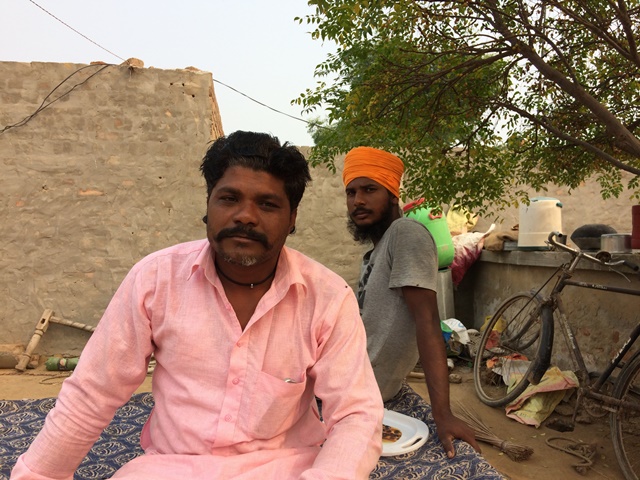
Sukhdev Singhji. Credit: M Rajshekhar
In this part of India, it is the kharif crop – usually a cash crop like basmati or cotton – that introduces variability into farmers’ annual income. The winter crop, usually sold to the government at fixed rates, is more of a safety net. Like Hazara Ram, Sukhdev Singhji, a resident of Balwana village near Abohar, will not make any money on his cotton crop this year. He will make money only if wheat (kanak, in Punjabi) does well: “Kanak bachave to bachave.”

There is another issue here: Given that whitefly go through four stages – egg, nymph, pupa and adult – how did farmers like Ram know the stage of infection and therefore the appropriate medicines to spray?

They went by what agricultural traders or company agents – whose job is to sell pesticides – told them.

The rise of new ‘knowhow’

As Punjab’s extension machinery weakened, other actors stepped into the void – such as companies that sell fertiliser and pesticides. Said the Punjab Agriculture University scientist, “Their agents usually visit villages 15 days before the time of application. If the pesticide doesn’t work, they start working in another village. As it is, they are not even agri-graduates.”

Most of them are very young, said Sukhdev Singhji – “Navey munde. Unhey khud hi nahin pata honda.”

Another entrant into this informational vacuum is the adatiya, the agricultural trader. As an article in the November 7, 2015, issue of the Economic & Political Weekly, titled “Commission Agent System: Significance in Contemporary Agricultural Economy of Punjab”, notes: “They [adatiyas] have become the exploitative alternative for supply of credit, farm and domestic inputs as well as sale of produce. Not only do they provide credit for purchasing essential articles, but also push the farmers to purchase the same from the shops they, or their friends, own.”

One reason for their rise is the worsening economics of agriculture in Punjab.

Take cotton: It is mainly grown in the southern reaches of Punjab, in the Malwa region. On the whole, this is the poorest of the three regions of the state, and the one that sees the most farmer suicides.
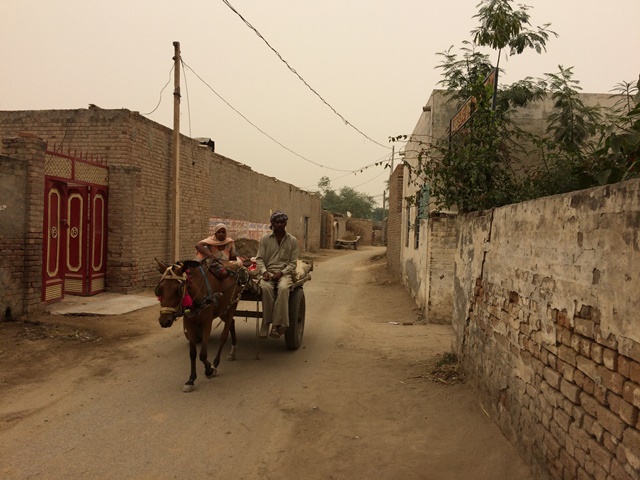
Villages in south-western Punjab’s Malwa region are far poorer than villages elsewhere in Punjab.
Credit: M Rajshekhar

Bt Cotton came here in 2004, in response to the American bollworm attacks that started in 1997. Sukhpal Singh, head of Punjab Agricultural University’s Department of Economics and Sociology, points out that since then, though farmer incomes have risen, their debt has not come down.

There are several reasons for this, Singh said. While Bt Cotton was resistant to bollworm, after about seven or eight years of normalcy, attacks from secondary pests started. At the same time, input costs began rising faster than output prices. “It was partly globalisation. Subsidy on input prices was reduced. Diesel and machinery and seeds got costlier. At the same time, international cotton prices fell.”

This is a story that is playing out all across Punjab. As the cost of agriculture rises and its profitability falls, Punjab’s farmers are being pushed into debt – 89% of all farming households are in debt, according to this EPW paper. They borrow from the adatiyas. When the harvest comes in, they give the crop to the adatiyas who sell it, recover the loan, and give the balance to the farmers.

And so, when whiteflys came, most farmers turned to the traders seeking pesticides. The EPWpaper estimates that 15.01% of pesticides in Punjab (across all crops) are now supplied from the shops of commission agents, and another 80% are procured from the shops owned by people connected to these agents. They, says the paper, issue “a “slip” to farmers for obtaining items from their “owned or connected shops”.
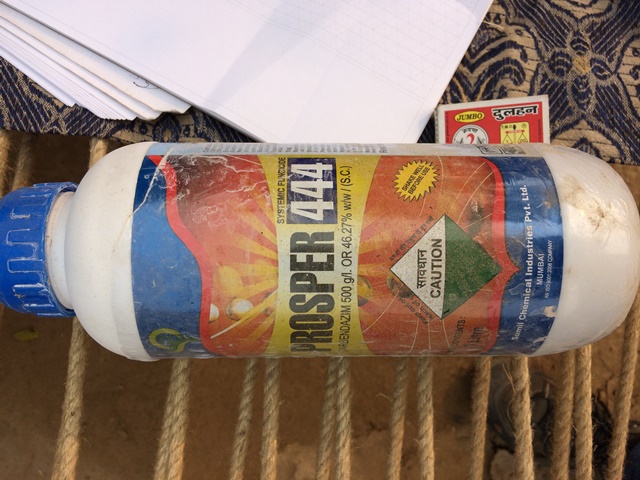
The fungicide that Singhji applied to his cotton fields. Credit: M Rajshekhar
This further compromised farmers’ efforts against whiteflies. There was now the added risk that the traders (who are not farmers) might recommend the wrong pesticide, or one with a greater margin, or that farmers might buy cheaper pesticides to keep their debt low.

Agreed the scientist, “Extension work has collapsed. Paisa nahin hain. Udhaar lena hain. Sasti kaun si hain?”

Singhji, for instance, sprayed a fungicide while trying to take on whitefly.

That won’t work, said Jagdish, the young shop-owner of Balwana, pointing out that farmers sprayed unthinkingly. “Decide kuch nahin kiya, jo mila woh daal diya,” he said. They sprayed whatever they could get.

Other farmers underestimated the whitefly crisis and either sprayed the right medicine too late, or used a milder pesticide than they should have. Matters were further complicated by perennial factors like fake pesticides and batch variations. “I see a farmer’s plot after spraying and if there is no change a day later, I send that batch of spray back,” said Jagdish.

That is the arithmetic of this moment. It’s telling that farmers held off spraying as long as the skies stayed overcast – it shows that farmers’ knowhow is static in a world that is changing fast. The state needs to work on mitigation and adaptation. And for that, it needs to prepare its farmers better.

“Our outreach has to be strengthened,” said Surinder Paul of the Met department. “The information is there. But not all farmers are getting it.”

Failing that, the state will only see the turmoil in its farmlands increase.

This article appeared in scroll.in

Share this:

  • Tweet
  • More
Like Loading...

World Farmers News Round Up

28 Saturday Nov 2015

Posted by raomk in Farmers, NATIONAL NEWS

≈ Leave a comment

Tags

Farmers, Farmers agitations

Farmers raise slogans against PM Modi and Badal in Punjab

Farmers in Punjab raise slogans against PM Modi and Punjab CM Parkash Singh Badal while airing their grievances.

India Today Manjeet Sehgal   |   Chandigarh, November 27,

In a major embarrassment to Punjab Chief Minister Parkash Singh Badal, hundreds of agitating farmers on Thursday showed black flags to him and interrupted his Janta Darbar at Bharowal village.

Badal was left red faced when more than 100 farmers under the banner of Kissan Sangharsh Committee entered the venue and shouted slogans against him and Prime Minister Narendra Modi.

Senior Congress leaders today asked the Akalis to seek Chief Minister Badal’s resignation before raising a finger against Capt Amarinder, suggesting a poll to check how people of Punjab felt.Agitating farmers criticised Badal for not addressing their issues and having failed to check instances of sacrilege. The police whisked the farmers away after the chief minister left the venue.

“Let us go for a public referendum and see who do people of Punjab consider to be the most corrupt, Capt Amarinder or the Badals,” they challenged the Akali leaders, while pointing out how Badal from being an ordinary farmer had accumulated wealth worth billions of rupees which was totally unaccounted and disproportionate to his income.

In a joint statement senior party leaders and legislators Sukhjinder Randhawa, Rana Gurjeet Singh, Kewal Singh Dhillon, Rana KP Singh and Sukh Sarkaria while reacting to the Akali statement said that it had already been disposed off by the Punjab and Haryana High Court long before and the Akali government had not the guts to challenge it in the Supreme Court.

“If your government was so confident about the case why it did not challenge the HC verdict in the Supreme Court,” they asked.

The Congress leaders said, “Akalis were feeling frustrated over their declining popularity graph against the rising mass support for Congress and Capt Amarinder. Instead of asking Capt Amarinder to quit, they should better advise their leader Parkash Singh Badal to retire, as that would be in the interest of Punjab.”

 Farmers express ire over government’s attitude

  • M. DAYASHANKAR, The Hindu

They were told to sell their produce to the sugar factory in Kamareddy for low minimum support price

The sugarcane farmers in Karimnagar district are upset with the State government’s decision to divert the sugarcane which was produced under the Nizam Deccan Sugars Limited at Muthyampet in Mallapur mandal to Gayathri Sugar factory in Kamareddy with the MSP of only Rs. 2,600 per tonne, including transportation charges.

Sugarcane farmers here were already worried due to less cultivation of the cane and no subsidy on seed.

They had demanded that the government to provide MSP of Rs. 3,500 per tonne and transportation for shifting the produce to sugar factories in other districts.

Alluru Mahender Reddy, a farmer from Muthyampet village, said that the sugarcane cultivation was had come down from over 10,000 acres to only 1,500 acres in the district due to non-availability of irrigation sources and support from the government to encourage the crop by providing seed on subsidy. Now, the low MSP to sugarcane also become a burden for the farmers to go for cultivation of sugarcane and opting for other crops, he added.

No crushing process

At NDSL-Muthyampet, the sugarcane was crushed for four months period at the rate of 2,500 tonnes per day. However, there has been no crushing process at the plant due to unavailability of stocks. If the plant was readied for operation, it would take another 20 days for functioning. During this period, the crop would be dried.

Hence, the farmers were asked to take their crop to other sugar factory.

Meanwhile, the local farmers have to yet take a decision on the shifting of their produce to Kamareddy for crushing as the government decision was announced only on Thursday.

Majority of the farmers feel that there was no other go and they have to dispose off their produce at Kamareddy with less MSP.
Japan’s farmers dropping sharply in numbers

The number of Japanese people working in the farming industry dropped 19.8 per cent over five years to 2.09 million in 2015, the government said Friday according to dpa.
The fall was due to people quitting farming as they grow older, the Agriculture Ministry said. The average age of those in the sector was 66.3 in 2015, compared with 65.8 in 2010, it said.
In the prefectures of Iwate, Miyagi and Fukushima, the region hit hardest by the March 2011 earthquake and tsunami, the number of active farmers went down 25.4 per cent over five years to 201,382 in 2015.
In Fukushima prefecture alone, the farming population dropped 29 per cent to 77,435 this year from 109,048 in 2010.
About 100,000 residents in the prefecture have been unable to return home in the areas near the Fukushima Daiichi Nuclear Power Station due to radiation contamination. The plant suffered a triple meltdown after it was hit by an earthquake and tsunami in 2011.

Swiss farmers march against austerity

More than 10,000 farmers marched through the streets of Bern on Friday to protest against government austerity measures.

They came from all over Switzerland and, while the atmosphere was good, their anger was real with calls for fairer prices for their produce and the scrapping of proposals for a major reduction in the agricultural budget.

According to the Swiss Farmers Union, the incomes of farming families are far lower than in comparable industries with this year accounting for a decrease of 11 percent on average. In some cases, prices are at an all time low and no longer cover costs.

Farmers, ranchers protest new farm safety rules at Alberta legislature

About 150 farmers and ranchers rallied at the Alberta Legislature against Bill 6, which would introduce Health and Safety measures on farms.

Dozens of Alberta farmers, their families and even a few animals showed up at the steps of the provincial legislature Friday to rally against the NDP government’s proposed farm safety legislation.

Chanting “Stop Bill 6,” and holding signs, up to 200 protesters — with two miniature horses and a turkey along for the ride — demanded the government halt legislation that would bring the province’s 43,000 farms and ranches under occupational health and safety standards.

Rally organizer Sara Wheale, 20, grew up on a farm near Breton, southwest of Edmonton, and is now raising her own purebred Hereford cattle. The government is trying to “pull the wool over our eyes and not paint us a clear picture as to what they’re doing with this bill,” she said.

She noted that she and many other farmers at the rally weren’t able to attend the nine limited-capacity consultation meetings the government organized.

Labour Minister Lori Sigurdson and Municipal Affairs Minister Danielle Larivee ventured into the crowd, and received an earful from protesters, who said the government didn’t do enough to solicit feedback before introducing the bill.

Sigurdson said later in a written statement the bill achieves “two simple things”: It would allow farm employees to refuse dangerous work and would provide compensation for workplace injuries or deaths.

Other regulations will only be drafted after consultations are completed, she said.

“Statutory protection of farm and ranch employees and the preservation of family farm traditions are complementary goals of Bill 6,” she said.

Many who attended Friday’s rally said the impending legislation could fundamentally change how small-scale family farms operate because they’re lumped in with corporate producers under the bill.

Alberta is the only province without employment standards coverage for farm and ranch workers, but protesters noted other provinces have made exemptions for family farms.

The government is proposing to add occupational health and safety regulations to the province’s farms and ranches, which would give officials the authority to investigate farm deaths and accidents.

The bill would also make Alberta Workers’ Compensation Board coverage mandatory for farm workers as of Jan. 1 and would subject the agricultural sector to labour standards, such as vacation pay and minimum wage.

Naomi McKinney, who has a fifth-generation family farm near Ponoka, said she is concerned the bill takes away choice.

“We would like to be able to choose what kind of insurance we want, rather than being forced to go with WCB,” she said.

Provisions around the kind of work children can do would infringe on her ability to teach her son, Quaid, the skills needed to become a successful farmer, she added.

Quaid, 10, said he enjoys earning a paycheque by raising his own calf.

“I like being able to contribute and help and being able to know that I did something,” he said.

He is learning about feeding, branding and vaccinations and his father and grandfather are teaching him to drive a tractor, he added.

Athena Dyck, who brought her pet turkey Buddy to the rally, said she wants to ensure the bill won’t prevent her from teaching her four children skills on the farm.

“I’m worried about the future of our farm kids,” she said.


Share this:

  • Tweet
  • More
Like Loading...

India to pay 45 rupees/T incentive to cane growers – minister

18 Wednesday Nov 2015

Posted by raomk in Economics, Farmers, NATIONAL NEWS

≈ Leave a comment

Tags

Farmers, sugarcane

 NEW DELHI

 India will for the first time pay sugarcane farmers part of the cost for produce that they sell to money-losing mills, a government minister said on Tuesday after a cabinet meeting chaired by Prime Minister Narendra Modi.

The move will help mills hit by a free-fall in local sugar prices that was triggered by five years of surplus output. Citing poor finances, mills have not been paying millions of dollars to cane growers, who form a major voting bloc.

The sugar industry has been going through a crisis that has led to an arrears in payment of 60 billion-65 billion rupees ($905.87 million-$981.35 million), and the decision for the government to shoulder some of the payments would help mills clear cane dues to farmers, Coal and Power Minister Piyush Goyal told a news conference.

“Under this scheme, the production subsidy will be given to offset the cost of cane and facilitate timely payment of cane prices to the farmers,” he said.

 The government would directly pay farmers 45 Indian rupees ($0.68) for every tonne of cane produced, leaving sugar mills to bear nearly 98 percent of the cost.

The move is aimed at wooing politically influential cane growers and helping sugar mills recovering from a global glut.

Shares of Indian sugar companies have been rising on expectations of government help, with stocks of Shree Renuka Sugars (SRES.NS), Simbhaoli Sugars (SIMB.NS) and Bannari Amman Sugars (BANN.NS) shooting up further on Wednesday.

Last month Reuters reported that India, the world’s biggest sugar consumer and the No. 2 producer after Brazil, was considering directly paying millions of cane farmers.

Separately, the government has asked mills to export 4 million tonnes of sugar in the 2015/16 season beginning October.

Share this:

  • Tweet
  • More
Like Loading...
← Older posts
Newer posts →

Recent Posts

  • వెనెజులాపై దాడి, మదురో కిడ్నాప్‌ -అమెరికా అసలు లక్ష్యం చైనా !
  • విస్మృత ఆదివాసీకి తొలిసారి పట్టంగట్టిన కేరళ కమ్యూనిస్టులు, శబరిమల బంగారం దొంగలు సోనియా గాంధీతో భేటీ !
  • నైజీరియాపై అమెరికా క్షిపణులు: ” శాంతి ” దూత డోనాల్డ్‌ ట్రంప్‌ చేయించిన తొమ్మిదవ దాడి !
  • ఆ గట్టునుంటావా ఈ గట్టుకొస్తావా : నరేంద్రమోడీకి విషమ పరీక్ష పెట్టిన డోనాల్డ్‌ ట్రంప్‌ !
  • జర్మన్‌ హిట్లర్‌ బాటలో శాస్త్రవేత్తలను బయటకు పంపుతున్న ట్రంప్‌ !

Recent Comments

pscknr's avatarpscknr on కేరళ స్థానిక సంస్థల ఎన్నికల ఫల…
Venugopalrao Nagumothu's avatarVenugopalrao Nagumot… on విత్తనాల ముసాయిదా బిల్లు …
Raj's avatarRaj on న్యూయార్క్‌ మేయర్‌గా సోషలిస్టు…
Aravind's avatarAravind on సిజెఐ బిఆర్‌ గవాయిపై దాడి యత్న…
Arthur K's avatarArthur K on CPI(M) for proportional repres…

Archives

  • January 2026
  • December 2025
  • November 2025
  • October 2025
  • September 2025
  • August 2025
  • July 2025
  • June 2025
  • May 2025
  • April 2025
  • March 2025
  • February 2025
  • January 2025
  • December 2024
  • November 2024
  • October 2024
  • September 2024
  • August 2024
  • July 2024
  • June 2024
  • May 2024
  • April 2024
  • March 2024
  • February 2024
  • January 2024
  • December 2023
  • November 2023
  • October 2023
  • September 2023
  • August 2023
  • July 2023
  • June 2023
  • May 2023
  • April 2023
  • March 2023
  • February 2023
  • January 2023
  • December 2022
  • November 2022
  • October 2022
  • September 2022
  • August 2022
  • July 2022
  • June 2022
  • May 2022
  • April 2022
  • March 2022
  • February 2022
  • January 2022
  • December 2021
  • November 2021
  • October 2021
  • September 2021
  • August 2021
  • July 2021
  • June 2021
  • May 2021
  • April 2021
  • March 2021
  • February 2021
  • January 2021
  • December 2020
  • November 2020
  • October 2020
  • September 2020
  • August 2020
  • July 2020
  • June 2020
  • May 2020
  • April 2020
  • March 2020
  • February 2020
  • January 2020
  • December 2019
  • November 2019
  • October 2019
  • September 2019
  • August 2019
  • July 2019
  • June 2019
  • May 2019
  • April 2019
  • March 2019
  • February 2019
  • January 2019
  • December 2018
  • November 2018
  • October 2018
  • September 2018
  • August 2018
  • July 2018
  • June 2018
  • May 2018
  • April 2018
  • March 2018
  • February 2018
  • January 2018
  • December 2017
  • November 2017
  • October 2017
  • September 2017
  • August 2017
  • July 2017
  • June 2017
  • May 2017
  • April 2017
  • March 2017
  • February 2017
  • January 2017
  • December 2016
  • November 2016
  • October 2016
  • September 2016
  • August 2016
  • July 2016
  • June 2016
  • May 2016
  • April 2016
  • March 2016
  • February 2016
  • January 2016
  • December 2015
  • November 2015
  • October 2015

Categories

  • Africa
  • AP
  • AP NEWS
  • Asia
  • BJP
  • BRS
  • CHINA
  • Communalism
  • Congress
  • COUNTRIES
  • CPI(M)
  • Current Affairs
  • Economics
  • Education
  • employees
  • Environment
  • Europe
  • Farmers
  • Filims
  • Germany
  • Greek
  • Gujarat
  • Health
  • History
  • imperialism
  • INDIA
  • International
  • INTERNATIONAL NEWS
  • Japan
  • Latin America
  • Left politics
  • Literature.
  • Loksabha Elections
  • NATIONAL NEWS
  • Opinion
  • Others
  • Pensioners
  • Political Parties
  • Politics
  • Prices
  • Readers News Service
  • RELIGION
  • Religious Intolarence
  • RUSSIA
  • Science
  • Social Inclusion
  • Sports
  • STATES NEWS
  • tdp
  • TDP
  • Telangana
  • Telugu
  • UK
  • Uncategorized
  • USA
  • WAR
  • Women
  • Women
  • Ycp

Meta

  • Create account
  • Log in
  • Entries feed
  • Comments feed
  • WordPress.com

Recent Posts

  • వెనెజులాపై దాడి, మదురో కిడ్నాప్‌ -అమెరికా అసలు లక్ష్యం చైనా !
  • విస్మృత ఆదివాసీకి తొలిసారి పట్టంగట్టిన కేరళ కమ్యూనిస్టులు, శబరిమల బంగారం దొంగలు సోనియా గాంధీతో భేటీ !
  • నైజీరియాపై అమెరికా క్షిపణులు: ” శాంతి ” దూత డోనాల్డ్‌ ట్రంప్‌ చేయించిన తొమ్మిదవ దాడి !
  • ఆ గట్టునుంటావా ఈ గట్టుకొస్తావా : నరేంద్రమోడీకి విషమ పరీక్ష పెట్టిన డోనాల్డ్‌ ట్రంప్‌ !
  • జర్మన్‌ హిట్లర్‌ బాటలో శాస్త్రవేత్తలను బయటకు పంపుతున్న ట్రంప్‌ !

Recent Comments

pscknr's avatarpscknr on కేరళ స్థానిక సంస్థల ఎన్నికల ఫల…
Venugopalrao Nagumothu's avatarVenugopalrao Nagumot… on విత్తనాల ముసాయిదా బిల్లు …
Raj's avatarRaj on న్యూయార్క్‌ మేయర్‌గా సోషలిస్టు…
Aravind's avatarAravind on సిజెఐ బిఆర్‌ గవాయిపై దాడి యత్న…
Arthur K's avatarArthur K on CPI(M) for proportional repres…

Archives

  • January 2026
  • December 2025
  • November 2025
  • October 2025
  • September 2025
  • August 2025
  • July 2025
  • June 2025
  • May 2025
  • April 2025
  • March 2025
  • February 2025
  • January 2025
  • December 2024
  • November 2024
  • October 2024
  • September 2024
  • August 2024
  • July 2024
  • June 2024
  • May 2024
  • April 2024
  • March 2024
  • February 2024
  • January 2024
  • December 2023
  • November 2023
  • October 2023
  • September 2023
  • August 2023
  • July 2023
  • June 2023
  • May 2023
  • April 2023
  • March 2023
  • February 2023
  • January 2023
  • December 2022
  • November 2022
  • October 2022
  • September 2022
  • August 2022
  • July 2022
  • June 2022
  • May 2022
  • April 2022
  • March 2022
  • February 2022
  • January 2022
  • December 2021
  • November 2021
  • October 2021
  • September 2021
  • August 2021
  • July 2021
  • June 2021
  • May 2021
  • April 2021
  • March 2021
  • February 2021
  • January 2021
  • December 2020
  • November 2020
  • October 2020
  • September 2020
  • August 2020
  • July 2020
  • June 2020
  • May 2020
  • April 2020
  • March 2020
  • February 2020
  • January 2020
  • December 2019
  • November 2019
  • October 2019
  • September 2019
  • August 2019
  • July 2019
  • June 2019
  • May 2019
  • April 2019
  • March 2019
  • February 2019
  • January 2019
  • December 2018
  • November 2018
  • October 2018
  • September 2018
  • August 2018
  • July 2018
  • June 2018
  • May 2018
  • April 2018
  • March 2018
  • February 2018
  • January 2018
  • December 2017
  • November 2017
  • October 2017
  • September 2017
  • August 2017
  • July 2017
  • June 2017
  • May 2017
  • April 2017
  • March 2017
  • February 2017
  • January 2017
  • December 2016
  • November 2016
  • October 2016
  • September 2016
  • August 2016
  • July 2016
  • June 2016
  • May 2016
  • April 2016
  • March 2016
  • February 2016
  • January 2016
  • December 2015
  • November 2015
  • October 2015

Categories

  • Africa
  • AP
  • AP NEWS
  • Asia
  • BJP
  • BRS
  • CHINA
  • Communalism
  • Congress
  • COUNTRIES
  • CPI(M)
  • Current Affairs
  • Economics
  • Education
  • employees
  • Environment
  • Europe
  • Farmers
  • Filims
  • Germany
  • Greek
  • Gujarat
  • Health
  • History
  • imperialism
  • INDIA
  • International
  • INTERNATIONAL NEWS
  • Japan
  • Latin America
  • Left politics
  • Literature.
  • Loksabha Elections
  • NATIONAL NEWS
  • Opinion
  • Others
  • Pensioners
  • Political Parties
  • Politics
  • Prices
  • Readers News Service
  • RELIGION
  • Religious Intolarence
  • RUSSIA
  • Science
  • Social Inclusion
  • Sports
  • STATES NEWS
  • tdp
  • TDP
  • Telangana
  • Telugu
  • UK
  • Uncategorized
  • USA
  • WAR
  • Women
  • Women
  • Ycp

Meta

  • Create account
  • Log in
  • Entries feed
  • Comments feed
  • WordPress.com

Social

  • View mannem.koteswararao’s profile on Facebook
  • View mannemkoteswara’s profile on Twitter

Recent Posts

  • వెనెజులాపై దాడి, మదురో కిడ్నాప్‌ -అమెరికా అసలు లక్ష్యం చైనా !
  • విస్మృత ఆదివాసీకి తొలిసారి పట్టంగట్టిన కేరళ కమ్యూనిస్టులు, శబరిమల బంగారం దొంగలు సోనియా గాంధీతో భేటీ !
  • నైజీరియాపై అమెరికా క్షిపణులు: ” శాంతి ” దూత డోనాల్డ్‌ ట్రంప్‌ చేయించిన తొమ్మిదవ దాడి !
  • ఆ గట్టునుంటావా ఈ గట్టుకొస్తావా : నరేంద్రమోడీకి విషమ పరీక్ష పెట్టిన డోనాల్డ్‌ ట్రంప్‌ !
  • జర్మన్‌ హిట్లర్‌ బాటలో శాస్త్రవేత్తలను బయటకు పంపుతున్న ట్రంప్‌ !

Recent Comments

pscknr's avatarpscknr on కేరళ స్థానిక సంస్థల ఎన్నికల ఫల…
Venugopalrao Nagumothu's avatarVenugopalrao Nagumot… on విత్తనాల ముసాయిదా బిల్లు …
Raj's avatarRaj on న్యూయార్క్‌ మేయర్‌గా సోషలిస్టు…
Aravind's avatarAravind on సిజెఐ బిఆర్‌ గవాయిపై దాడి యత్న…
Arthur K's avatarArthur K on CPI(M) for proportional repres…

Archives

  • January 2026
  • December 2025
  • November 2025
  • October 2025
  • September 2025
  • August 2025
  • July 2025
  • June 2025
  • May 2025
  • April 2025
  • March 2025
  • February 2025
  • January 2025
  • December 2024
  • November 2024
  • October 2024
  • September 2024
  • August 2024
  • July 2024
  • June 2024
  • May 2024
  • April 2024
  • March 2024
  • February 2024
  • January 2024
  • December 2023
  • November 2023
  • October 2023
  • September 2023
  • August 2023
  • July 2023
  • June 2023
  • May 2023
  • April 2023
  • March 2023
  • February 2023
  • January 2023
  • December 2022
  • November 2022
  • October 2022
  • September 2022
  • August 2022
  • July 2022
  • June 2022
  • May 2022
  • April 2022
  • March 2022
  • February 2022
  • January 2022
  • December 2021
  • November 2021
  • October 2021
  • September 2021
  • August 2021
  • July 2021
  • June 2021
  • May 2021
  • April 2021
  • March 2021
  • February 2021
  • January 2021
  • December 2020
  • November 2020
  • October 2020
  • September 2020
  • August 2020
  • July 2020
  • June 2020
  • May 2020
  • April 2020
  • March 2020
  • February 2020
  • January 2020
  • December 2019
  • November 2019
  • October 2019
  • September 2019
  • August 2019
  • July 2019
  • June 2019
  • May 2019
  • April 2019
  • March 2019
  • February 2019
  • January 2019
  • December 2018
  • November 2018
  • October 2018
  • September 2018
  • August 2018
  • July 2018
  • June 2018
  • May 2018
  • April 2018
  • March 2018
  • February 2018
  • January 2018
  • December 2017
  • November 2017
  • October 2017
  • September 2017
  • August 2017
  • July 2017
  • June 2017
  • May 2017
  • April 2017
  • March 2017
  • February 2017
  • January 2017
  • December 2016
  • November 2016
  • October 2016
  • September 2016
  • August 2016
  • July 2016
  • June 2016
  • May 2016
  • April 2016
  • March 2016
  • February 2016
  • January 2016
  • December 2015
  • November 2015
  • October 2015

Categories

  • Africa
  • AP
  • AP NEWS
  • Asia
  • BJP
  • BRS
  • CHINA
  • Communalism
  • Congress
  • COUNTRIES
  • CPI(M)
  • Current Affairs
  • Economics
  • Education
  • employees
  • Environment
  • Europe
  • Farmers
  • Filims
  • Germany
  • Greek
  • Gujarat
  • Health
  • History
  • imperialism
  • INDIA
  • International
  • INTERNATIONAL NEWS
  • Japan
  • Latin America
  • Left politics
  • Literature.
  • Loksabha Elections
  • NATIONAL NEWS
  • Opinion
  • Others
  • Pensioners
  • Political Parties
  • Politics
  • Prices
  • Readers News Service
  • RELIGION
  • Religious Intolarence
  • RUSSIA
  • Science
  • Social Inclusion
  • Sports
  • STATES NEWS
  • tdp
  • TDP
  • Telangana
  • Telugu
  • UK
  • Uncategorized
  • USA
  • WAR
  • Women
  • Women
  • Ycp

Meta

  • Create account
  • Log in
  • Entries feed
  • Comments feed
  • WordPress.com

Create a free website or blog at WordPress.com.

Privacy & Cookies: This site uses cookies. By continuing to use this website, you agree to their use.
To find out more, including how to control cookies, see here: Cookie Policy
  • Subscribe Subscribed
    • vedika
    • Join 247 other subscribers
    • Already have a WordPress.com account? Log in now.
    • vedika
    • Subscribe Subscribed
    • Sign up
    • Log in
    • Report this content
    • View site in Reader
    • Manage subscriptions
    • Collapse this bar
%d